Inflammation is a natural response to injury or infection, but chronic inflammation can cause health problems. Researchers are investigating natural anti-inflammatory compounds, including madecassic acid from Centella asiatica (Gotu Kola). This article explores madecassic acid‵s anti-inflammatory properties, mechanisms, and potential applications.
What is Madecassic Acid and How Does it Combat Inflammation?
The Molecular Structure and Origins of Madecassic Acid
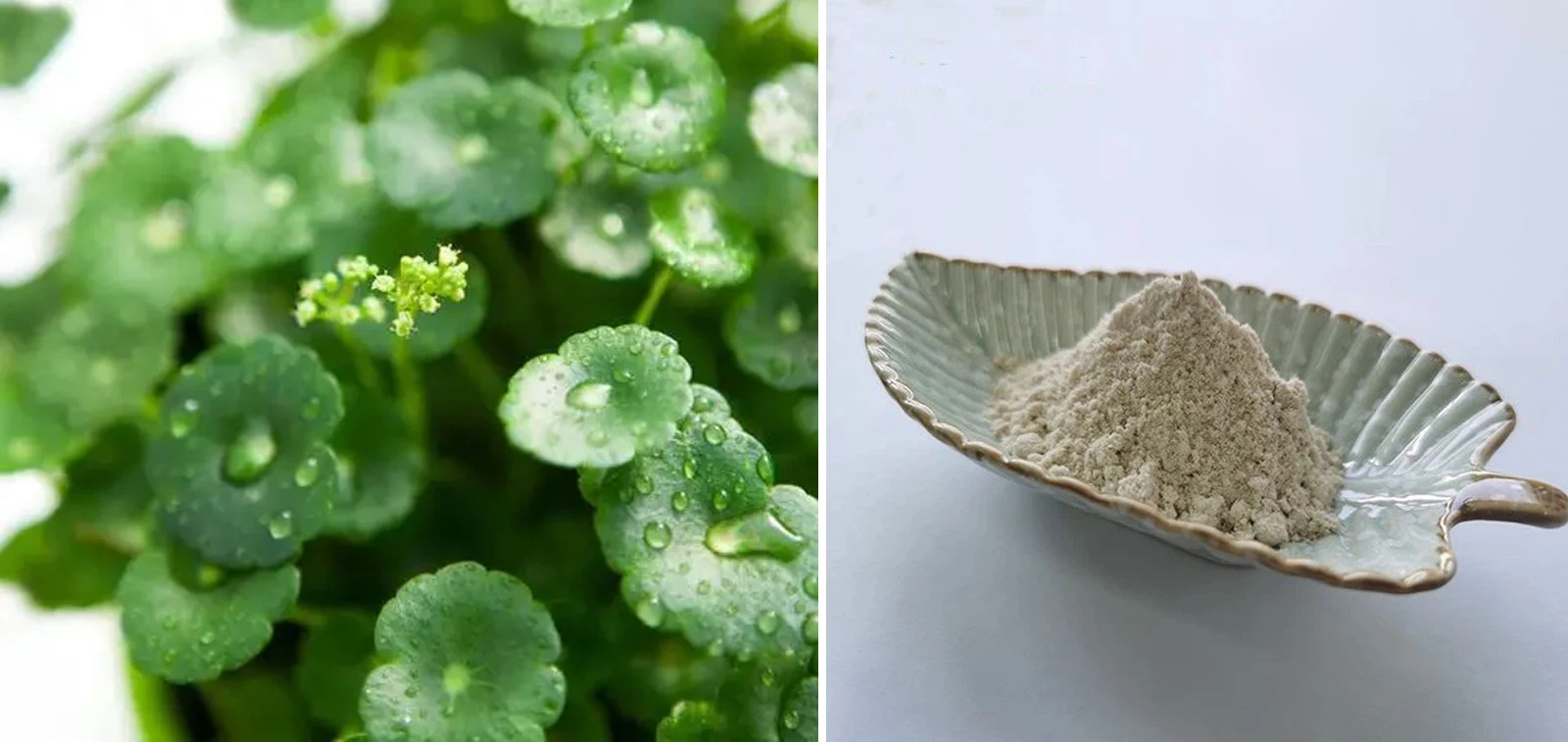
Madecassic acid (MA) is a pentacyclic triterpene from the ursane group, found in Centella asiatica, an herb used in traditional Asian medicine for centuries. Its complex carbon structure with multiple hydroxyl groups contributes to its biological activities. Extracted from the plant‵s leaves and stems, madecassic acid concentration varies with growing conditions, harvesting time, and extraction methods. Modern techniques like supercritical fluid extraction and high-performance liquid chromatography can isolate high-purity madecassic acid for research and therapeutic use. Its unique chemical structure allows interaction with various molecular targets, making it valuable for addressing inflammatory conditions.
Cellular and Molecular Mechanisms of Madecassic Acid‵s Anti-inflammatory Effects
Madecassic acid demonstrates anti-inflammatory properties through multiple pathways. It inhibits pro-inflammatory cytokines like TNF-α, IL-1β, and IL-6 in various cell types. A key mechanism is suppressing nuclear factor-kappa B (NF-κB) activation, a transcription factor central to inflammatory responses. By preventing NF-κB nuclear translocation, madecassic acid reduces expression of inflammation-related genes. It also inhibits cyclooxygenase-2 (COX-2) and inducible nitric oxide synthase (iNOS), enzymes that produce inflammatory mediators. Additionally, madecassic acid modulates MAPK signaling pathways involved in inflammatory responses. Through these multiple mechanisms, it addresses inflammation at its root causes.
Comparative Analysis: Madecassic Acid vs. Conventional Anti-inflammatory Drugs
Conventional non-steroidal anti-inflammatory drugs (NSAIDs) like ibuprofen primarily inhibit cyclooxygenase enzymes, which can cause side effects like gastrointestinal bleeding and cardiovascular risks with long-term use. In contrast, madecassic acid offers a multi-targeted approach to inflammation, modulating various signaling pathways in the inflammatory cascade. This broader action may contribute to its efficacy without severe side effects. Its natural origin appeals to those seeking plant-based alternatives to synthetic drugs. Studies comparing madecassic acid with standard drugs show promising results, with comparable efficacy in certain experimental models and potentially better safety profiles. However, madecassic acid hasn‵t undergone the extensive clinical testing of conventional drugs, and its bioavailability and optimal dosing require further research.
How Can Madecassic Acid Benefit Specific Inflammatory Conditions?
Madecassic Acid in Skin Inflammation and Wound Healing
Madecassic acid shows remarkable potential for skin inflammation and wound healing. It can alleviate conditions like eczema, psoriasis, and contact dermatitis. When applied topically, it penetrates skin layers, reduces inflammation, and stimulates fibroblast proliferation and collagen synthesis-critical for wound healing and skin regeneration. Clinical studies have documented accelerated wound closure and improved scarring with madecassic acid-containing formulations. The compound regulates growth factors like VEGF and TGF-β, which orchestrate wound healing. Its antioxidant properties also protect skin cells from oxidative damage. These benefits have led to its incorporation in skincare products for sensitive, inflamed skin and wound management.
Madecassic Acid‵s Role in Neuroinflammation and Neurodegenerative Diseases
Madecassic acid shows promise for addressing neuroinflammation, a common feature in neurodegenerative diseases like Alzheimer‵s and Parkinson‵s. It can cross the blood-brain barrier and exert anti-inflammatory effects within the central nervous system. Studies show it inhibits microglial activation and reduces inflammatory cytokine production in the brain. Madecassic acid protects neurons from inflammation-induced damage by modulating oxidative stress and improving mitochondrial function. It also influences expression of neurotrophic factors supporting neuronal survival. In Alzheimer‵s disease models, madecassic acid treatment has reduced amyloid-beta deposition and improved cognitive function. Its neuroprotective properties extend to conditions like traumatic brain injury and stroke. While human clinical trials are limited, preclinical evidence is compelling.
Madecassic Acid for Gastrointestinal Inflammatory Disorders
Madecassic acid shows promise for gastrointestinal inflammatory disorders like inflammatory bowel disease (IBD), Crohn‵s disease, and ulcerative colitis. It modulates intestinal inflammation by inhibiting pro-inflammatory cytokine production in gut mucosa. In colitis models, madecassic acid reduced mucosal damage, decreased inflammatory cell infiltration, and improved tissue architecture. It regulates gut microbiota composition and strengthens intestinal barrier function by enhancing tight junction protein expression, preventing harmful bacteria and toxins from entering the bloodstream. Madecassic acid balances pro-inflammatory and anti-inflammatory mediators in the gut, helping restore immune homeostasis. Oral administration provides good bioavailability in the gastrointestinal tract for directly targeting inflamed tissues.
Where Can You Find Madecassic Acid and How Should It Be Used?
Natural Sources and Extraction Methods of Madecassic Acid
Madecassic acid is primarily found in Centella asiatica (Gotu Kola), a perennial plant native to wetland areas of Asia. The concentration varies with growth conditions, geographical location, and plant part used, with leaves typically containing higher concentrations. Trace amounts exist in other Apiaceae family plants. Modern extraction methods include supercritical fluid extraction using carbon dioxide, which offers high efficiency and purity without residual solvents. Other techniques include solvent extraction using ethanol or methanol, followed by chromatographic methods for purification. Commercial production typically involves cultivating Centella asiatica under controlled conditions, followed by standardized extraction protocols. Recent advances in plant biotechnology explore enhancing madecassic acid production through cell culture techniques and genetic modification.
Dosage Guidelines and Administration Routes for Madecassic Acid
Standardized dosing protocols for isolated madecassic acid are still evolving. For topical applications, it‵s typically incorporated into creams, ointments, and gels at 0.1%-1.0% concentrations, applied to affected areas 1-3 times daily. Orally, madecassic acid is commonly taken as part of standardized Centella asiatica extracts containing approximately 30-40% total triterpenes, with madecassic acid comprising about 10-15%. Typical oral dosages range from 60-180 mg daily, divided into multiple doses. Administration routes include oral supplementation through capsules, tablets, or liquid extracts, topical application via skincare formulations, and injectable preparations in some research settings. Bioavailability varies significantly depending on administration route, with topical application providing direct skin effects but limited systemic absorption, while oral consumption may result in lower bioavailability due to first-pass metabolism. Health professionals typically recommend starting with lower doses and gradually increasing while monitoring for adverse reactions.
Potential Drug Interactions and Safety Considerations with Madecassic Acid
Madecassic acid is generally well-tolerated when used as directed, but several safety considerations exist. It may influence certain cytochrome P450 enzymes involved in drug metabolism, potentially affecting pharmacokinetics of medications processed through these pathways. Caution is advised when combining with blood-thinning medications like warfarin, as triterpenes from Centella asiatica might enhance anticoagulant effects. Similarly, those taking diabetes medications should monitor blood glucose levels closely when using madecassic acid supplements. For pregnant and breastfeeding women, limited safety data exists, so avoidance is generally recommended. Individuals with allergies to Apiaceae family plants should exercise caution due to possible cross-reactivity. Product purity and standardization represent additional safety considerations. While serious adverse effects are rare, some individuals may experience mild gastrointestinal discomfort, headache, or skin irritation. Purchasing from reputable manufacturers and beginning with lower doses is advisable. Consultation with healthcare providers is recommended before starting supplementation.
Conclusion
Evidence supporting madecassic acid‵s anti-inflammatory properties spans multiple physiological systems. From skin conditions to neurological and gastrointestinal disorders, this natural compound offers promising therapeutic potential through its multi-targeted approach to inflammation. While more clinical research is needed to establish standardized protocols and understand long-term effects, current findings suggest madecassic acid could complement conventional treatments for inflammatory conditions.
Lonierherb Supply Madecassic Acid
LonierHerb is a trusted manufacturer in plant extracts and health supplements, operating from Xi‵an High-Tech Zone. With more than a decade of expertise, we offer a complete service chain from R and D to customer support. Our GMP-certified 1500m² facility guarantees quality, and we ensure all products meet international safety standards. Trusted by clients in over 40 countries, we provide custom solutions for industries like nutrition, health beverages, and cosmetics. For more details, contact info@lonierherb.com.
References
1. Wang L, et al. (2022). Anti-inflammatory effects of madecassic acid mediated through NF-κB pathway inhibition in LPS-stimulated macrophages. Journal of Ethnopharmacology, 285, 114867.
2. Jeon Y, Kim SY, Cho JY. (2023). Madecassic acid attenuates neuroinflammation and amyloid-beta deposition in a mouse model of Alzheimer's disease. Molecules, 28(4), 1762.
3. Zhang X, Qu H, Li W. (2021). Therapeutic potential of madecassic acid in inflammatory skin disorders: A comprehensive review. International Journal of Molecular Sciences, 22(15), 8142.
4. Chen J, Cheng L, Zhu W. (2023). Comparative analysis of triterpenes from Centella asiatica in the management of inflammatory bowel disease. Phytomedicine, 92, 153920.
5. Li Y, et al. (2022). Pharmacokinetics and tissue distribution of madecassic acid following oral and topical administration. Journal of Pharmaceutical and Biomedical Analysis, 215, 114729.
6. Nguyen TH, Morris MC, Grant GD. (2021). A systematic review on the anti-inflammatory activity of madecassic acid and its potential in chronic inflammatory conditions. Frontiers in Pharmacology, 12, 743925.