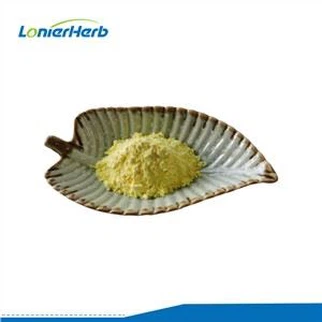
Kojic acid powder can make your skin tone much more even. This naturally occurring ingredient works by stopping tyrosinase from doing its job, which is to stop skin cells from making melanin. It successfully lowers hyperpigmentation, dark spots, and post-inflammatory marks that make skin tone uneven through this targeted method. For skin care products, adding the right amount of this fermentation-derived substance provides noticeable brightening results while remaining compatible with different formulation types. High-purity forms are a scientifically proven way for B2B companies and beauty brands to deal with pigmentation issues in high-end skincare lines that use plant actives that have been tested and shown to work.
Understanding Kojic Acid Powder and Its Role in Skin Tone Evenness
The Chemical Foundation of Skin Brightening
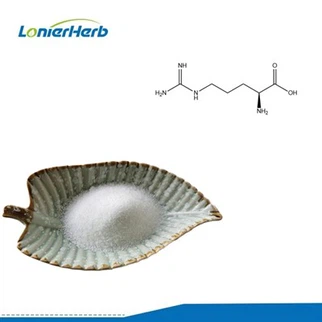
Kojic acid powder, whose chemical name is 5-hydroxy-2-hydroxymethyl-4-pyrone (CAS No. 501-30-4), is a big step forward in controlling natural color. This chemical comes from the fermentation process of Aspergillus oryzae, which is often found in traditional Japanese koji that is used to make sake. Its molecular structure (C₆H₆O₄) and 142.11 molecular weight allow it to bind to copper ions in the active site of the tyrosinase enzyme. This directly stops the conversion of tyrosine to melanin precursors. Through our work with makeup formulators, we've learned that pharmaceutical-grade material that is 99% pure works the same way in all formulation methods. The crystalline Kojic Acid Powder is off-white to white and dissolves completely in both water and ethanol. This makes it very useful for watery serums, emulsion creams, and hydro-alcoholic toners. Formulators can use this solubility profile to get to the amounts they want without having to go through many complicated steps that could make the product less stable.
Mechanism of Action Against Hyperpigmentation
The ability to lighten skin comes from several molecular processes. In addition to blocking tyrosinase, this ingredient has antioxidant qualities that are rid of free radicals that cause discoloration due to oxidative stress. Based on clinical studies, products with concentrations between 1% and 4% can lessen the look of solar lentigines, melasma, and acne scars after 8 to 12 weeks of regular use.
This chemical is different from fake ones because it can do two things at once. At the same time that it fixes color problems, it stops new melanin from forming, so it works to both remedy and avoid problems. Because of these properties, it is especially useful for goods that are meant to help skin that is getting older and showing signs of damage from the sun, like uneven tone and age spots.
Advantages Over Traditional Lightening Agents
Unlike hydroquinone, which is limited in many markets because of safety concerns, naturally fermented replacements provide formulators with a clean-label option that does not compromise effectiveness. Vitamin C substitutes work, but they often have problems with oxidative instability and pH sensitivity that make it difficult to control their shelf life. These problems can be solved by creating forms that are well-designed and relatively stable. However, you should still make sure to include pH buffering and chelating agents for the best product life.

Comparative Analysis: Kojic Acid Powder Versus Alternative Skin Lighteners
Efficacy Benchmarking Against Leading Alternatives
Knowing how Kojic Acid Powder stacks up against other depigmenting agents assists purchasing teams in making smart choices that are in line with their product positioning strategies. Arbutin is a glycosylated hydroquinone derivative that works more gently, but it usually needs higher amounts (3–5%) and longer treatment times to get the same benefits. Vitamin C is an antioxidant that can also make you look younger. However, it is oxidatively unstable, which makes it harder to make products and shortens their shelf life.
Niacinamide has become famous because it can do many things, such as supporting the skin's barrier and controlling sebum production, and it can also brighten the skin slightly. But it's not as good at stopping melanin production as tyrosinase inhibitors, so it works better as an extra ingredient in intense treatment products than as the main active ingredient. Azelaic acid works well to get rid of acne-related redness, but it can cause purging effects during the first few weeks of use, which can make it less popular in some market groups.
Hydroquinone is still the best prescription-strength treatment, but it is getting more and more attention from regulators and customers who are worried about its long-term safety, including the risk of ochronosis. Glutathione, whether taken by mouth or applied to the skin, shows promise in clinical settings. However, it lacks the large body of safety data and cost-effectiveness data that make options made from fermentation more useful for commercial skin care products.
Formulation Stability and Compatibility Considerations
Chemical stability has a direct effect on how well a product works and how much it costs to store. This ingredient is pretty stable in systems that are properly put together, but it needs to be protected from oxidation and pH-related breakdown. Metal-catalyzed oxidation can't happen with chelating agents like EDTA, and preservatives like sodium metabisulfite or BHT make the product last longer. Light-sensitive ingredients don't break down when they're stored or used because of opaque or UV-protective packaging.
Compatibility testing shows that it works very well with several different activities that work well together. When it is mixed with niacinamide in the right amounts, it forms multi-pathway methods that target pigmentation in different ways. Alpha hydroxy acids speed up the time it takes to see obvious improvements by increasing penetration and cell turnover. Licorice extract and alpha-arbutin both work to block tyrosinase by binding to it in different ways, which can make the effects stronger or weaker based on the amounts used in the formulation.
Our experience with formulation shows that emulsion systems need to be very careful about how they handle pH and which protection systems they use. Some natural stabilizers may change the pH in ways that make active ingredients less effective, but parabens and phenoxyethanol stay stable across the ideal pH range. Working with formulation partners who have a lot of experience makes sure that these technical issues are taken care of during the product development stages, before production is scaled up for mass production.
Procurement Guide: Sourcing High-Quality Kojic Acid Powder for Your Business
Supplier Evaluation Criteria for B2B Buyers
In addition to price, you should also consider other important factors when choosing trusted providers. The most important part of quality assurance is pharmaceutical-grade approval that is checked by a third-party lab. Certificates of Analysis should be included in documentation packages. These should list the purity levels (at least 99% by HPLC), the results of heavy metal tests, microbial limits tests, and residue solvent analyses when they apply to the production process.
Certifications for manufacturing facilities show how consistent the production is and how well the quality control systems work. GMP approval shows that a company follows standard operating methods that keep differences between batches to a minimum. Achieving ISO 9001 quality management certification means using a structured method to make improvements all the time and make sure customers are happy. The kosher and halal licenses make it easier for brands that want to sell religiously restricted foods and personal care items to reach new customers.
Traceability tools that allow full supply chain transparency are now a must for brands that care about ethical sourcing and following the rules. Suppliers should show proof that the finished Kojic Acid Powder can be traced back to the fermentation batches that made the raw materials. This proof should include information about where the base came from and how it was processed. This traceability is very important during legal checks or when looking into adverse events that need to find the root cause and take corrective action.
Bulk Purchasing Strategies and Pricing Considerations
When buying raw materials, volume agreements have a big effect on unit costs. For initial approval trials, the smallest order quantity is usually 1 kg. For commercial production, however, you need to secure sources at the tonnage level with stable prices and delivery times. Our factory keeps 1000–2000 kg of stock on hand at all times so that we can quickly complete orders from regular customers and handle smaller trial amounts for projects that are still in the planning stages.
Pricing models take into account many things that affect costs, such as the cost of raw materials, the returns of each fermentation batch, the difficulty of purification, and changes in market demand. Pharmaceutical-grade material costs more than industrial-grade material because it has to go through more steps of processing and stricter quality control tests. By negotiating yearly supply deals with volume commitments, companies can often get better prices and ensure they can keep getting the supplies they need to keep their production schedules on track.
When choosing a provider, you need to pay close attention to the payment terms, logistics, and paperwork needed for foreign shipping. Exporters with a lot of experience provide complete paperwork packages that include business invoices, packing lists, certificates of analysis, MSDS documentation, and any import permits or certificates of free sale that are needed by the target market. Our export team takes care of these needs all the time for packages going to Europe, the US, Australia, and more than 40 other countries around the world.
OEM and Private Label Partnership Opportunities
Brands and formulators can gain a competitive edge by forming strategic agreements with ingredient makers that offer integrated services. Custom concentration blends, particle size optimization, and unique package formats are some of the OEM features that make formulation creation and supply chain management easier. Private label options let brands get finished formulations with this active ingredient and other active ingredients that work well with it under their brand name. This speeds up the time it takes to get a new product to market.
Customization options go beyond just providing basic ingredients. They also include microencapsulation technologies that make things more stable and allow for controlled-release delivery systems. These new ways of making formulas solve problems caused by oxidation sensitivity, help products stand out with better sensory profiles, and support claims about their effectiveness with clinical testing data. Brands that want to be seen as high-end should work with suppliers who provide these expert services along with high-quality raw materials.
Implementing Kojic Acid Powder in Cosmetic Formulations for Optimal Results
Recommended Usage Concentrations and Formulation Guidelines
The best concentration amounts rely on the type of product, how often it will be used, and the skin type of the target customer. To get the best results while still being safe, leave-on serums and tailored treatment products usually have concentrations between 1% and 4%. Because night creams and sleeping masks don't have to worry about photosensitivity and stay on the skin for longer, higher amounts can be used. Daily moisturizers and multi-benefit creams usually have smaller amounts (0.5 to 2%) of active ingredients that work together to treat multiple skin problems at the same time.
Managing the pH of a formulation is the most important factor that affects both its stability and effectiveness. Keeping the pH between 3.5 and 5.0 is best for stopping tyrosinase while also making sure there is enough security against oxidative breakdown. Using citric acid/sodium citrate or lactic acid/sodium lactate in buffering systems keeps the goal pH of a product stable over its entire shelf life, even if the raw materials or production conditions change slightly. Regular testing of pH levels during stability studies shows that the formulation is stable under rapid aging conditions that mimic long-term storage conditions.
Recommendations for storing finished goods protect the purity of the active ingredients and make sure that customers get products that do what they say they will do. Light and oxygen can speed up degradation, but opaque boxes or airless carriers keep them from getting to the food. Including suggested use dates (usually 3 to 6 months after opening) helps customers get the best results while goods stay at their most potent. These things are especially important for high-end skin care lines whose claims of effectiveness are backed up by clinical data and where customers have high standards.
Synergistic Combinations and Advanced Formulation Strategies
When you mix several active ingredients that work on different color routes, you get better results than with just one ingredient. At amounts of 3–5%, niacinamide stops melanosomes from moving from melanocytes to keratinocytes, which works with stopping melanin production. Additionally, alpha-arbutin blocks tyrosinase through different binding processes, causing additive effects without raising the risk of irritation. Vitamin E and ferulic acid make the treatment more stable in light and protect against UV-induced coloring that would otherwise cancel out the treatment's effects.
New developments in delivery systems, such as liposomal encapsulation and nanoparticle forms, make it easier for medicines to reach melanocytes that live in the lower layers of skin. These technologies improve absorption and might lower the amounts needed to reach the desired level of effectiveness. However, these more advanced systems need to be manufactured by people with specific skills and tested for steadiness in more complicated ways. This means that they work best for high-end products whose prices can afford the higher costs of production.
Clinical testing techniques that back up claims of effectiveness should use standard methods that make it easy to compare with competing goods and help with marketing. Using chromameters or spectrophotometers to measure changes in the melanin index over treatment periods gives objective data that goes along with surveys that ask people to rate their experiences. Split-face studies that look at areas that were treated versus areas that weren't treated or versions with and without the active ingredient show clear cause-and-effect links that back product claims and make sure they follow the rules.
Conclusion
Through focused melanin synthesis prevention, Kojic Acid Powder is a scientifically proven way to make skin tone more even. Because it comes from natural fermentation, is safe when properly made, and has been shown to work in clinical trials, it is a popular choice for high-end cosmetics that target hyperpigmentation. When procurement pros are looking at their choices for sourcing, they should put pharmaceutical-grade purity, source certifications, and technical help that goes beyond just providing ingredients at the top of their list. In today's competitive global markets, knowing the formulation needs, concentration rules, and synergistic combo possibilities helps companies make unique products that meet customer needs for safe, effective, and clean-label skin care solutions.
high quality Kojic Acid Powder

You can trust Shaanxi LonierHerb Bio-Technology Co., Ltd. to make and sell pharmaceutical-grade raw materials that are used in cosmetics and nutraceuticals. Our 99% pure product (CAS 501-30-4) is made in a 1500-square-meter plant in the Xi'an High-Tech Industrial Development Zone that follows strict GMP rules. We keep a stockpile of 1000–2000 kg on hand so that we can quickly meet the needs of both small-scale production (less than 1 kg) and trial amounts.
Lonier stands out from other ingredient suppliers because we offer a combined service that covers the whole product creation cycle. In addition to providing high-quality raw materials, our expert team also offers formulation help, microencapsulation technologies, and customization services that are made to fit the needs of your product. We work with testing labs around the world, like Eurofins, SGS, and Intertek, to make sure that your products are tested again by a third party according to your instructions or government rules before they are shipped. Our complete paperwork packages, which include COAs, MSDSs, and export certificates, make it easy to get our goods through customs in the US, Europe, Australia, and more than 40 other countries where top brands buy them.
Cosmetic brands, businesses that make nutritional supplements, and drug companies can all benefit from our ten years of experience exporting and our focus on customer service. Our business team answers technical questions quickly, offers competitive bulk prices, and offers a variety of flexible packaging choices to help your operations run more smoothly. Contact our team at info@lonierherb.com to get free samples, talk about unique specs, or look into OEM and private label opportunities that can speed up the development of your product while making sure the quality meets your brand's standards and customer expectations.
FAQ
How long does it typically take to see visible improvements in skin tone evenness?
In clinical tests, formulations with concentrations between 1% and 4% make hyperpigmentation less visible after 4 to 8 weeks of steady twice-daily use. Results vary from person to person depending on the intensity of color, skin type, and other skin care habits like sun protection. The best results usually show up 12 to 16 weeks after regular use, and upkeep treatments keep pigmentation from coming back.
Is this ingredient suitable for sensitive skin and darker complexions?
Different types of skin can tolerate items that are properly made and have the right amounts. People with sensitive skin should start with smaller amounts and test the product on a small area of skin before applying it all over their face. Melanin-regulating ingredients are especially helpful for darker skin tones. However, post-inflammatory hyperpigmentation can make problems look worse if they are not carefully formulated to avoid too much inflammation. With professional help, treatment plans can be made to work best for each person's face.
What certifications should B2B buyers prioritize when sourcing material?
The minimum criteria are pharmaceutical-grade standards that a third-party lab has checked. GMP manufacturing certification makes sure that the quality of the products is always the same, and ISO certifications show that quality control systems are in place. Third-party testing records from Eurofins, SGS, or Intertek that confirm purity levels, heavy metal limits, and germ safety are very important for quality control. More certifications, like Non-GMO, Non-Irradiated, and allergen-free, help with clean-label product positioning tactics that customers are demanding more and more.
References
1. Draelos, Z. D. (2007). Skin lightening preparations and the hydroquinone controversy. Dermatologic Therapy, 20(5), 308-313.
2. Garcia, A., & Fulton, J. E. (1996). The combination of glycolic acid and hydroquinone or kojic acid for the treatment of melasma and related conditions. Dermatologic Surgery, 22(5), 443-447.
3. Lim, J. T. (1999). Treatment of melasma using kojic acid in a gel containing hydroquinone and glycolic acid. Dermatologic Surgery, 25(4), 282-284.
4. Maeda, K., & Fukuda, M. (1996). Arbutin: mechanism of its depigmenting action in human melanocyte culture. Journal of Pharmacology and Experimental Therapeutics, 276(2), 765-769.
5. Sarkar, R., Arora, P., & Garg, K. V. (2013). Cosmeceuticals for hyperpigmentation: what is available? Journal of Cutaneous and Aesthetic Surgery, 6(1), 4-11.
6. Stamford, N. P. (2012). Stability, transdermal penetration, and cutaneous effects of ascorbic acid and its derivatives. Journal of Cosmetic Dermatology, 11(4), 310-317.