Kaempferol Powder, derived from the fruit of Sophora japonica L., has emerged as a promising natural compound with potential neuroprotective and cognitive-enhancing properties. This flavonoid has garnered significant attention in the scientific community due to its multifaceted effects on brain health. As we delve into the fascinating world of Kaempferol Powder, we'll explore its mechanisms of action, potential benefits for neuroprotection, and its role in supporting cognitive resilience. With its potent antioxidant and anti-inflammatory properties, Kaempferol Powder offers a natural approach to maintaining brain health and potentially mitigating the effects of age-related cognitive decline and neurodegenerative diseases. This blog post will examine the latest research and insights into how Kaempferol Powder may contribute to a healthier, more resilient brain.
Antioxidant Mechanisms of Kaempferol Powder in Brain Health
Free Radical Scavenging Properties
Kaempferol Powder exhibits remarkable free radical scavenging properties, which play a crucial role in protecting brain cells from oxidative stress. The unique molecular structure of Kaempferol Powder allows it to neutralize harmful free radicals effectively, preventing them from causing damage to cellular components such as lipids, proteins, and DNA. By donating electrons to unstable molecules, Kaempferol Powder helps maintain the delicate balance of oxidative processes in the brain. This antioxidant activity is particularly important in the context of neurodegenerative diseases, where oxidative stress is a key contributor to cellular dysfunction and death. Regular consumption of Kaempferol Powder may help fortify the brain's natural antioxidant defenses, potentially slowing down the progression of age-related cognitive decline and neurodegenerative disorders.
Enhancement of Endogenous Antioxidant Systems
Beyond its direct antioxidant effects, Kaempferol Powder has been shown to enhance the body's endogenous antioxidant systems. This flavonoid can upregulate the expression and activity of key antioxidant enzymes such as superoxide dismutase (SOD), catalase, and glutathione peroxidase. By boosting these natural defense mechanisms, Kaempferol Powder creates a more robust protective environment within brain cells. This synergistic effect amplifies the overall antioxidant capacity of the brain, making it more resilient to oxidative insults. Furthermore, Kaempferol Powder has been observed to increase levels of glutathione, a critical antioxidant molecule in the brain. This multifaceted approach to enhancing antioxidant defenses underscores the potential of Kaempferol Powder as a neuroprotective agent, capable of addressing oxidative stress through multiple pathways.
Mitochondrial Protection and Energy Metabolism
Kaempferol Powder's neuroprotective effects extend to mitochondrial function, which is essential for brain health and cognitive performance. By safeguarding mitochondria from oxidative damage, Kaempferol Powder helps maintain cellular energy production and metabolism in brain cells. This flavonoid has been shown to improve mitochondrial efficiency and reduce the production of reactive oxygen species (ROS) within these cellular powerhouses. Additionally, Kaempferol Powder may enhance mitochondrial biogenesis, promoting the formation of new, healthy mitochondria. This aspect of Kaempferol Powder's action is particularly relevant in the context of neurodegenerative diseases, where mitochondrial dysfunction is a hallmark feature. By supporting mitochondrial health, Kaempferol Powder contributes to overall neuronal resilience and may help preserve cognitive function in the face of age-related decline and neurodegenerative processes.
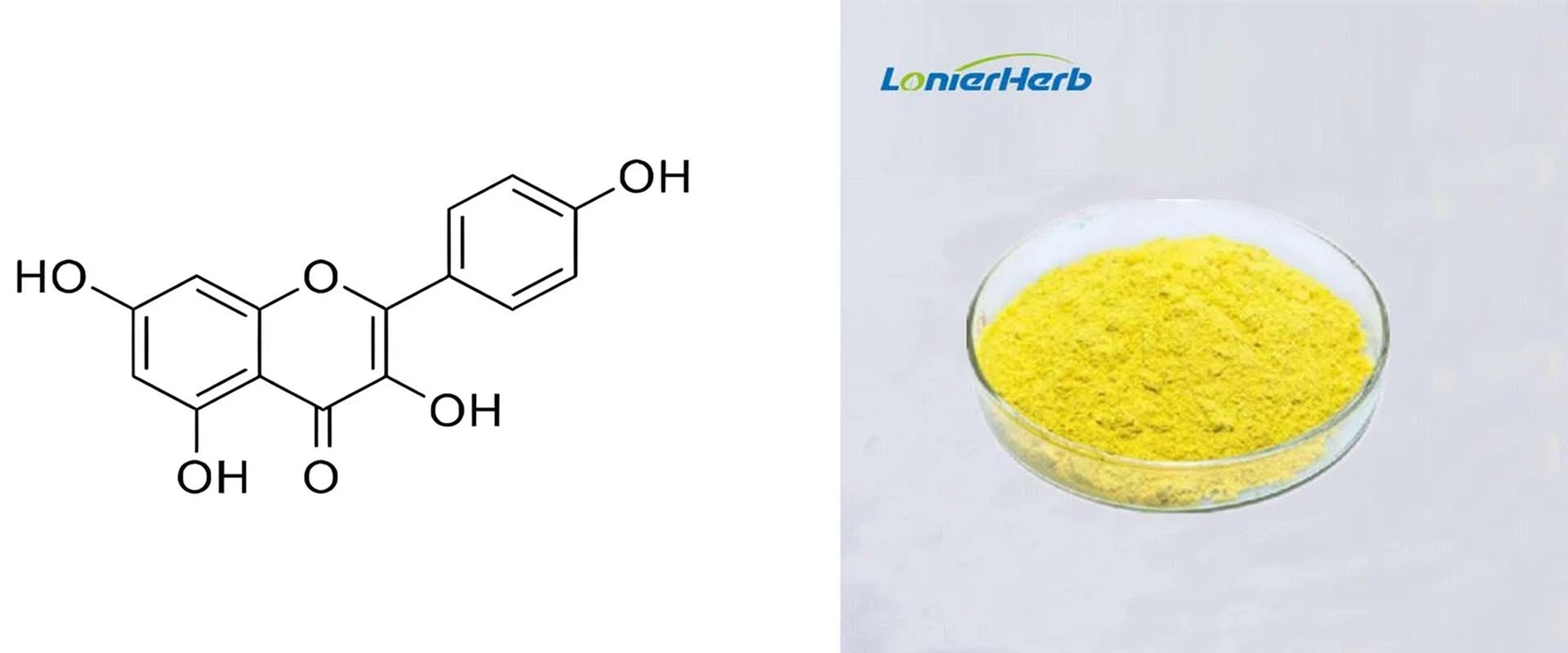
How Kaempferol Powder Reduces Neuroinflammation and Oxidative Stress?
Modulation of Inflammatory Signaling Pathways
Kaempferol Powder demonstrates potent anti-inflammatory properties that are particularly beneficial for brain health. This flavonoid has been shown to modulate key inflammatory signaling pathways, such as NF-κB and MAPK cascades, which are implicated in neuroinflammation. By inhibiting the activation of these pathways, Kaempferol Powder can reduce the production of pro-inflammatory cytokines and enzymes in the brain. This action helps to maintain a balanced inflammatory response, preventing the chronic, low-grade inflammation that is often associated with neurodegenerative diseases. Furthermore, Kaempferol Powder has been observed to promote the expression of anti-inflammatory mediators, further contributing to its neuroprotective effects. By attenuating neuroinflammation, Kaempferol Powder may help preserve neuronal function and support cognitive resilience in the face of various challenges to brain health.
Reduction of Oxidative Stress Markers
The ability of Kaempferol Powder to reduce oxidative stress markers in the brain is a key aspect of its neuroprotective potential. Studies have shown that this flavonoid can significantly decrease levels of lipid peroxidation, protein carbonylation, and DNA damage – all indicators of oxidative stress. By mitigating these markers, Kaempferol Powder helps maintain the structural and functional integrity of brain cells. Additionally, Kaempferol Powder has been found to enhance the activity of antioxidant enzymes such as catalase and glutathione peroxidase, further bolstering the brain's defenses against oxidative damage. This multi-pronged approach to reducing oxidative stress markers underscores the comprehensive neuroprotective effects of Kaempferol Powder. By creating a less oxidative environment in the brain, this flavonoid may help slow down the progression of age-related cognitive decline and potentially offer protection against neurodegenerative diseases.
Neuroprotection Through Anti-Apoptotic Mechanisms
Kaempferol Powder exhibits neuroprotective effects through its ability to modulate apoptotic pathways in brain cells. This flavonoid has been shown to inhibit pro-apoptotic proteins while upregulating anti-apoptotic factors, thereby promoting neuronal survival. By interfering with the apoptotic cascade, Kaempferol Powder may help prevent the unnecessary loss of neurons that occurs in various neurodegenerative conditions. Furthermore, Kaempferol Powder has been observed to activate survival signaling pathways, such as the PI3K/Akt pathway, which plays a crucial role in neuronal protection and plasticity. This anti-apoptotic action of Kaempferol Powder is particularly important in the context of brain ischemia and neurodegenerative diseases, where excessive neuronal death is a primary concern. By supporting neuronal survival, Kaempferol Powder contributes to the maintenance of cognitive function and brain resilience, potentially offering a natural approach to neuroprotection.
Optimal Intake and Safety Guidelines for Kaempferol Powder Supplementation
Recommended Dosage and Administration
Determining the optimal dosage of Kaempferol Powder for neuroprotection and cognitive resilience is an ongoing area of research. While there is no universally established dosage, studies have explored various ranges that appear to confer beneficial effects. Typically, doses between 100-500 mg per day have been investigated in preclinical and clinical studies. However, it's important to note that individual responses may vary, and the optimal dose can depend on factors such as age, health status, and specific neurological concerns. When supplementing with Kaempferol Powder, it's generally recommended to start with a lower dose and gradually increase as tolerated. The powder can be mixed with water, juice, or incorporated into smoothies for easy consumption. For maximum absorption, it's often suggested to take Kaempferol Powder with a meal containing some healthy fats, as this may enhance its bioavailability.
Potential Interactions and Contraindications
While Kaempferol Powder is generally considered safe for most individuals, it's crucial to be aware of potential interactions and contraindications. This flavonoid may interact with certain medications, particularly those metabolized by cytochrome P450 enzymes. Individuals taking blood thinners, such as warfarin, should exercise caution, as Kaempferol Powder may enhance their effects. Additionally, Kaempferol Powder may interact with some chemotherapy drugs, potentially altering their efficacy. Pregnant and breastfeeding women should consult with a healthcare provider before using Kaempferol Powder, as its safety in these populations has not been thoroughly established. People with liver or kidney conditions should also seek medical advice before supplementing, as high doses of flavonoids may impact these organs. It's always recommended to discuss the use of Kaempferol Powder with a healthcare professional, especially for those with pre-existing health conditions or those taking medications.
Monitoring and Long-Term Safety Considerations
When incorporating Kaempferol Powder into a neuroprotective regimen, it's important to consider long-term safety and establish appropriate monitoring protocols. While short-term studies have shown promising results with minimal side effects, long-term safety data is still limited. Regular health check-ups and periodic blood tests may be advisable to ensure that supplementation is not adversely affecting liver function or other physiological parameters. It's also recommended to periodically reassess the need for supplementation and adjust dosages as necessary. Some individuals may experience mild gastrointestinal discomfort when first starting Kaempferol Powder supplementation, which often resolves with continued use or dose adjustment. As with any supplement, it's crucial to source Kaempferol Powder from reputable manufacturers to ensure purity and potency. By adhering to these safety considerations and maintaining open communication with healthcare providers, individuals can maximize the potential benefits of Kaempferol Powder while minimizing risks.
Conclusion
Kaempferol Powder shows great promise in supporting neuroprotection and cognitive resilience. Its potent antioxidant and anti-inflammatory properties, coupled with its ability to modulate key cellular pathways, make it a valuable ally in maintaining brain health. While more research is needed to fully elucidate its long-term effects and optimal dosing strategies, the current evidence suggests that Kaempferol Powder could play a significant role in preventing age-related cognitive decline and neurodegenerative diseases. As we continue to explore natural compounds for brain health, Kaempferol Powder stands out as a compelling option for those seeking to support their cognitive function and overall neurological well-being.
high quality Kaempferol Powder

At LonierHerb, we are committed to providing high-quality Kaempferol Powder and other plant extracts to support your health and wellness goals. With our state-of-the-art production facilities and rigorous quality control measures, we ensure that our products meet the highest standards of purity and efficacy. Our team of experts is dedicated to researching and developing innovative natural solutions for various health concerns, including cognitive health. If you're interested in learning more about our Kaempferol Powder or other plant extracts, please don't hesitate to contact us at info@lonierherb.com. We look forward to helping you on your journey to optimal health and well-being.
References
1. Chen, A. Y., & Chen, Y. C. (2013). A review of the dietary flavonoid, kaempferol on human health and cancer chemoprevention. Food Chemistry, 138(4), 2099-2107.
2. Calderon-Montano, J. M., Burgos-Moron, E., Perez-Guerrero, C., & Lopez-Lazaro, M. (2011). A review on the dietary flavonoid kaempferol. Mini Reviews in Medicinal Chemistry, 11(4), 298-344.
3. Sharma, D., Gondaliya, P., Tiwari, V., & Kalia, K. (2019). Kaempferol attenuates diabetic nephropathy by inhibiting RhoA/ROCK-mediated inflammatory signalling. Biomedicine & Pharmacotherapy, 109, 1610-1619.
4. Wang, J., Fang, X., Ge, L., Cao, F., Zhao, L., Wang, Z., & Xiao, W. (2018). Antioxidant, anti-inflammatory and anti-influenza properties of components from Chaenomeles speciosa. Molecules, 23(10), 2490.
5. Yao, Y., Lin, G., Xie, Y., Ma, P., Li, G., Meng, Q., & Wu, T. (2014). Preformulation studies of myricetin: a natural antioxidant flavonoid. Pharmazie, 69(1), 19-26.
6. Lopez-Lazaro, M. (2009). Distribution and biological activities of the flavonoid luteolin. Mini Reviews in Medicinal Chemistry, 9(1), 31-59.