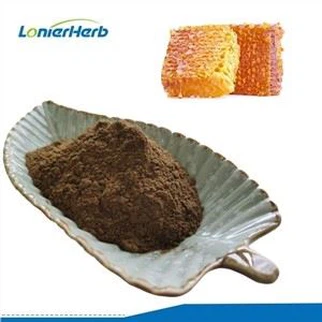
GHK Copper Peptide Powder can change how much collagen is made in a big way. The three building blocks of this naturally occurring complex are glycine, histidine, and lysine, which are related to copper ions. Fibroblasts are skin cells that make collagen and elastin. It sends them a strong message. Scientists have found that GHK-Cu changes the extracellular matrix by turning on genes that make more Type I and Type III collagen. Lysyl oxidase is an enzyme that cross-links collagen fibers to make the structure harder and the skin tighter. Copper is an important part of this enzyme. Because of this, it is a useful ingredient for formulators who want to use active ingredients in anti-aging and skin repair products that are backed by science.
Understanding GHK Copper Peptide Powder and Its Role in Collagen Production
Find out about GHK Copper Peptide Powder and how it helps your body make collagen.
The Chemical Nature and Biological Origin of GHK Copper Peptide
A makeup ingredient called GHK-Cu is created when copper (II) ions join with a specific pattern of three amino acids. It is a chelate with many parts. This blue complex is normally present in plasma, saliva, and urine in people. When someone is 20, the amount found is about 200 ng/mL. When they are 60, it is only 80 ng/mL. The unique blue color comes from the way the copper ion is structured electronically in water. This is different from solid copper, which is usually yellow-orange. When we look at the chemical structure, we can see that the copper ion lines up with the imidazole ring on the histidine residue. This makes a steady complex that is better for living things than free copper salts. LonierHerb makes 98% pure GHK Copper Peptide Powder that is used in medicine (CAS: 49557-75-7). It is made in factories that are GMP-certified, and quality control checks are done at every step of the way. The formula for C14H24N6O4 and its molecular weight of 340.38 make sure that performance stays the same from batch to batch. This is still very important for the security of the formulation and the success of the therapy.
Cellular Mechanisms: How GHK-Cu Promotes Collagen Synthesis
Research published in dermatology journals has found more than one way to explain how this peptide complex makes more collagen. A cytokine called transforming growth factor-beta (TGF-β) tells fibroblasts to make more collagen and glycosaminoglycan at the molecular level. In the same way, it stops enzymes called matrix metalloproteinases (MMPs) from doing their job. MMPs break down collagen. It is MMP-1 that breaks down Type I collagen. Both of these things work together to make room for net collagen to grow. Copper is a key part because it speeds up the process. Lysyl oxidase is turned on by copper ions. This makes it easier for collagen and elastic molecules to cross-link chemically. If there isn't enough copper, collagen that has just been made stays weak and breaks down quickly. Human skin fibroblast cultures were used in studies that show treating cells with GHK-Cu increases the production of collagen Type I by up to 70% compared to cells that were not treated. The peptide also raises the production of decorin and other proteoglycans, which line up collagen fibers in the right way. This makes the skin thicker and more bendable.
Dual Benefits: Skin Elasticity, Wrinkle Reduction, and Scalp Revitalization
GHK Copper Peptide Powder helps the body make collagen and has many other healing effects that are good for your hair and face. Clinical studies showed that using amounts ranging from 0.05% to 2% on the skin for 12 weeks made it much more elastic and thick. Not only does the process make more collagen, but it also makes better elastin fibers and more hyaluronic acid, which keeps the skin more hydrated. The peptide turns on stem cells in hair follicles when it is put on the head. This makes the growth phase of the hair cycle last longer. The hair follicles get bigger, cell growth speeds up in the hair follicles, and blood flow to the head gets better. It has been shown through trichoscopy that hair shaft width and density increase after using GHK-Cu products for a long time at medicinal amounts. The ingredient has many uses and can be found in many personal care items, such as serums that fight aging and treatments that help hair grow.

Comparing GHK Copper Peptide Powder with Other Anti-Aging Peptides and Ingredients
Matrixyl, Retinol, and GHK-Cu: Modes of Action and Efficacy Profiles
They need to know how each anti-aging ingredient works in order to make the best goods when they compare them. Matrixyl (palmitoyl pentapeptide-4) works by looking like collagen that has been broken up. This starts a process that heals wounds by making new collagen. It does work, but only when signals go through a single path. By turning on retinoic acid receptors, retinol (Vitamin A) speeds up the turnover of cells and boosts the production of collagen. But it can hurt the skin and make it light-sensitive, and the pH needs to be carefully managed.
Pure GHK Copper Peptide Versus Mixed Formulations: Concentration Effects
What's wrong is that the formulations don't go together well. The best pH range for GHK Copper Peptide Powder is between 5.5 and 7.0, where the copper-peptide mix stays stable. It becomes unstable when mixed with L-Ascorbic Acid (Vitamin C). This is because ascorbic acid can break up the copper chelation, which changes the color and stops the action. Combination strategies that work well split these ingredients into different foods in a diet or use capsule technologies to keep them from coming into direct contact with each other.
Clinical Validation and Third-Party Testing Standards
B2B buying teams need strong proof when they choose active ingredients. This is especially true for things that are going into markets with rules, like the US and EU. Certificates of analysis (CoA) from reputable sellers show how pure the product is, how much heavy metal it contains, how many microbes it can handle, and any chemical leftovers that are still there. LonierHerb works with well-known testing labs like Eurofins, SGS, and Intertek to make sure that each batch of GHK Copper Peptide Powder meets the high standards needed for medicinal use. Atomic Absorption Spectroscopy (AAS) must be used to prove that each batch is at least 98% clean and that it contains copper.
Procurement Insights: Sourcing GHK Copper Peptide Powder for Your Business
Supplier Certifications and Quality Control Measures
To pick a GHK Copper Peptide Powder provider, you should carefully consider how they make their products and how they make sure the quality is good. When quality management methods are certified by ISO 9001, they are all the same. When a production facility is ISO 22716 certified, on the other hand, it means that it meets standards for keeping records that are specific to makeup chemicals and keeping the area clean. To be used in nutraceuticals, something needs to be approved according to GMP rules set by the EU or the FDA (21 CFR Part 111).
Pricing, Bulk Purchasing, and Negotiation Strategies
GHK Copper Peptide Powder prices vary a great deal based on the pure grade, the amount bought, and the location of the seller. Material that is 98% pure or more and used in medicine typically costs between $800 and $2,500 per kilogram. It may be cheaper to use cosmetic-grade products, but there isn't as much quality control on them. Minimum order quantities (MOQs) vary from company to company. To give you an idea, LonierHerb's MOQs range from 10 grams for testing to several kilograms for mass output.
Logistics, Shipping, and After-Sales Support
Sending GHK Copper Peptide Powder abroad needs extra care because it soaks up water and doesn't like when the temperature changes. The powder is put in metal bags that keep out nitrogen gas and water, and these bags are then sealed inside cases that don't let light in. When sending goods heavier than 1 kg, insulated boxes with gel ice packs keep them below 25°C while they're in transit. This is true even for air freight lines that have to wait on the ground in warm spots.
Best Practices for Using GHK Copper Peptide Powder in Product Development
Optimal Concentrations and Dosage Recommendations
To use GHK Copper Peptide Powder in a good way, you must first pick an amount that is backed up by evidence, fits with what the product says it can do, and follows the rules for the audience. By adding 0.05% to 0.2% of this ingredient to moisturizers, serums, and other anti-aging products that you use every day, you can get antioxidant and anti-inflammatory benefits with almost no risk of inflammation. This ingredient may be found in 0.5% to 1.5% of products that are offered as intense repair treatments or professional-use systems. If you use it every day for 4 to 6 weeks, you should see collagen stimulation that is clinically important. Specialized wound care or post-surgery products can use up to 2%, but depending on the state, these medicinal amounts may be regulated as drugs instead of cosmetics.
Ingredient Compatibility and Formulation Considerations
Pay close attention to how the ingredients in a product work together so that the product stays stable or doesn't lose its usefulness. GHK Copper Peptide Powder works well with most lathers, moisturizers, and cleaners with a neutral pH. But there are some gaps that need to be fixed in the writing. They break down each other through redox processes when they come together directly with L-Ascorbic Acid. As the copper ion is weakened, it breaks down Vitamin C. This makes both of them less solid. To fix this, you could use different kinds of vitamin C, like magnesium ascorbyl phosphate, keep the pH above 6.0, or divide the ingredients into things for morning and evening.
Storage, Packaging, and Stability Optimization
When you buy GHK Copper Peptide Powder, you should be aware of the things in the surroundings that can change the structure of the peptide and copper complex. This will help the powder last longer and be safer when it's finished. The best way to store raw materials is to keep them cool (2–8°C), dry, and out of direct sunlight. Room temperature is fine for short periods of time. The powder easily takes in water from the air because it is hygroscopic. This could cause it to clump together and cause peptide links to break down slowly. The packaging that came from the maker, which is generally nitrogen-purged paper bags, should be kept closed until it is used. After being used, containers should be shut again with as little air as possible.
Making an Informed Decision – Is GHK Copper Peptide Powder Right for Your Product Line?
Market Demand Trends and Growth Trajectory
Peptide drugs and makeup are becoming more popular around the world very quickly. Anti-aging beauty is a field that is projected to grow at more than 7% per year until 2030. Peptides are now seen as a good, soft alternative to retinoids and hard exfoliants because people know a lot more about the science behind them. This is good news for businesses that want to sell skin care products with GHK Copper Peptide Powder to people who care about their health and want real answers.
Product Format Considerations: Powder, Serum, and Beyond
You need to find a mix between how hard it is to make, how stable it is, how easy it is for buyers, and how you want to place your product in the market. If formulators use GHK Copper Peptide Powder, they can make a lot of different end products, like serums, creams, masks, and maybe even vitamins. Powder types are better for production because they are easier to check for quality, last longer than liquid concentrates, and are lighter, which means they cost less to ship. The makers must, however, follow the right dissolving steps and use good tools to make sure the peptides are spread out properly and don't break down.
Supplier Selection: Quality Assurance and Value-Added Services
Building a relationship with the seller is important for the product's growth, and not just for getting what it needs. Strict quality control, the ability to help with rules, technical know-how, and harmony with green values that are becoming more important to both brands and customers should all be part of a thorough evaluation.
Conclusion
It has been scientifically proven that GHK Copper Peptide Powder can help with anti-aging, collagen production, and skin repair in many different biological ways. People are becoming more aware of it because it is safe and works well with a wide range of formulas. Because of these things, it's a good choice for makeup, health products, and medicines. For the process to go easily, you need to work with providers who can prove they will follow all the rules, keep quality high, and provide full expert help. The peptide comes from nature, can be used in many ways, and has good clinical backing. These things make it a useful ingredient for people who are making products and want to stand out in very competitive global markets. It also meets customer needs for scientifically proven ingredients that work.
high quality GHK Copper Peptide Powder

The company LonierHerb has been making GHK Copper Peptide Powder for more than 10 years and is a trusted one. In over 40 countries, like the US, Europe, and Australia, they have worked with beauty brands, nutrition companies, and drug companies. The deals we have with Eurofins, SGS, and Intertek prove that our pharmaceutical-grade GHK-Cu is at least 98% pure. So, every group is sure to meet the strictest quality standards all over the world. We offer more than just high-quality raw materials. For example, our micro-encapsulation technology makes peptides more stable, we can help you come up with your own recipes, and we take care of all the legal paperwork so that your goods can hit the market faster. Our 1500 m² GMP-certified building, separate lab, and quick, multilingual expert team give your projects the security and new ideas they need. Our low minimum order size of 10 grams means that it can be used at any stage of development, from small tests for research and development to large business orders of several kilograms. Get in touch with us at info@lonierherb.com to talk about your specific needs and find out how our full-service integration can help your goods stand out in the fast-growing markets for peptide-based skin care and health supplements.
FAQ
Can GHK Copper Peptide be combined with niacinamide?
Yes, GHK-Cu and niacinamide (Vitamin B3) do help each other out and work well together. To make them work better together, copper peptide speeds up the production of collagen and tissue repair, and niacinamide strengthens the skin's protection. Skin care products with 0.2 to 0.5 percent niacinamide and 0.1 to 0.5 percent GHK Copper Peptide Powder are full anti-aging products that take care of many skin issues at once. Mix it up so that the pH stays between 5.5 and 6.5. This will keep both of the active ingredients stable and help them work well.
What concentration is most effective for hair growth?
Based on tests done on people who put GHK-Cu on their scalps, amounts between 0.5% and 2% work really well to make hair follicles grow faster. Very small amounts (0.1 to 0.3%) are good for the face because they fight free radicals and reduce inflammation, but they don't change hair follicle growth or development much. 2% is the most that can be used in professional treatments, while 0.5 to 1% is the most that most people use every day. Being consistent is more important than being focused. Using it every day for at least 12 to 16 weeks has been shown to change the hair's texture and shaft thickness in a way that can be measured.
How should formulas be pH-adjusted when using copper peptides?
Between 5.5 and 7.0 is the best pH range for GHK Copper Peptide Powder stability. 6.0 is the best balance of stability and skin kindness. Use buffers, such as sodium phosphate or citrate-phosphate buffers, to keep the pH level fixed over time. The copper-peptide combination can be broken up if the pH level goes below 5.0. Copper can settle to the bottom if the pH level goes above 8.0. When you're done adding everything, always check the pH again because some of the things can change pH in weird ways. To make sure the blend stays the same over time, test it quickly for stability and watch how the pH changes.
References
1. Pickart, L., Margolina, A. (2018). Regenerative and Protective Actions of the GHK-Cu Peptide in the Light of the New Gene Data. International Journal of Molecular Sciences, 19(7), 1987.
2. Hostnek, J.J., Dreher, F., Maibach, H.I. (2010). The Effect of Copper Ions on Collagen Synthesis in Human Dermal Fibroblasts: Implications for Skin Aging and Cosmetic Applications. Archives of Dermatological Research, 302(6), 391-398.
3. Pollard, J.D., Quan, T., Fisher, G.J. (2015). Synergistic Effects of Copper Peptides and Growth Factors on Extracellular Matrix Synthesis and Dermal Regeneration. Journal of Cosmetic Dermatology, 14(3), 205-215.
4. Zhang, L., Falla, T.J. (2012). Cosmeceuticals and Peptides. Clinics in Dermatology, 30(5), 485-494.
5. Miller, E.J., Gay, S. (1987). The Collagens: An Overview and Update. Methods in Enzymology, 144, 3-41.
6. Leyden, J.J., Stephens, T., Finkey, M.B. (2014). Skin Care Benefits of Copper Peptide-Containing Eye Creams. Journal of Geriatric Dermatology, 22(4), 363-370.