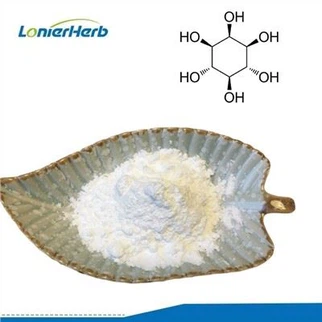
In the quest for healthier and more natural food additives, the spotlight has recently turned to genipin powder as a potential replacement for artificial blue dyes. As consumers become increasingly conscious of what goes into their food, the demand for natural alternatives to synthetic colorants has surged. Genipin powder, derived from the gardenia fruit, has emerged as a promising candidate to fill this role. This natural compound not only provides a vibrant blue hue but also offers potential health benefits and versatility in various applications. The food industry, cosmetics manufacturers, and even medical researchers are taking notice of genipin's unique properties. As we delve deeper into the world of natural colorants, we'll explore whether genipin powder has what it takes to revolutionize the blue dye market and potentially replace its artificial counterparts. Let's examine the properties, advantages, and challenges of this intriguing natural blue pigment.
Natural vs. Synthetic: The Blue Color Showdown
The Rise of Natural Blue Alternatives
The quest for natural blue colorants has been a long-standing challenge in the food industry. Genipin powder has emerged as a promising contender in this arena. Derived from the gardenia fruit, genipin powder offers a natural alternative to synthetic blue dyes. Its ability to produce a vibrant blue color when reacting with amino acids has caught the attention of food manufacturers and researchers alike. Unlike artificial blue dyes that have been associated with health concerns, genipin powder is considered safe for consumption. This natural colorant not only provides an appealing blue hue but also possesses antioxidant properties, potentially offering additional health benefits. As consumers increasingly demand clean label products, the adoption of genipin powder as a natural blue colorant could revolutionize the food industry, providing a solution that aligns with the growing preference for natural ingredients.
Safety Concerns: Natural vs. Artificial
When comparing the safety profiles of natural and artificial blue colorants, genipin powder stands out as a favorable option. Artificial blue dyes, such as Blue No. 1 and Blue No. 2, have faced scrutiny due to potential links to behavioral issues in children and other health concerns. In contrast, genipin powder, being derived from a natural source, is generally regarded as safe for consumption. The compound has been used in traditional medicine for centuries, further supporting its safety profile. Additionally, genipin powder doesn't require extensive chemical processing, reducing the risk of harmful residues or by-products. Its natural origin also means it's less likely to cause allergic reactions compared to synthetic alternatives. As food safety regulations become stricter and consumer awareness grows, the shift towards natural colorants like genipin powder is not just a trend but a necessary evolution in the food industry.
Environmental Impact: A Greener Blue
The environmental implications of using genipin powder as a blue colorant are significant when compared to synthetic alternatives. The production of artificial blue dyes often involves petrochemical processes that contribute to pollution and resource depletion. In contrast, genipin powder is derived from gardenia fruits, a renewable resource. The cultivation of gardenia plants for genipin extraction can be done sustainably, with minimal environmental impact. Furthermore, the biodegradability of genipin powder means it doesn't persist in the environment, reducing the risk of ecological harm. The production process of genipin powder also typically requires less energy and produces fewer waste products compared to the manufacture of synthetic dyes. As industries strive to reduce their carbon footprint and embrace eco-friendly practices, the adoption of natural colorants like genipin powder aligns perfectly with sustainability goals, offering a greener alternative for blue coloration across various applications.

Genipin's Stability: A Food Industry Game-Changer?
pH Tolerance and Heat Resistance
One of the key factors that make genipin powder a potential game-changer in the food industry is its remarkable stability across various pH levels and temperatures. Unlike many natural colorants that degrade quickly in acidic or alkaline environments, genipin powder maintains its vibrant blue hue across a wide pH range. This stability is crucial for food applications where acidity levels can vary significantly. Additionally, genipin powder demonstrates impressive heat resistance, retaining its color even when subjected to high temperatures during food processing. This heat stability ensures that the blue color remains consistent throughout cooking, baking, or pasteurization processes. The ability of genipin powder to withstand these challenging conditions without losing its color intensity or shifting hues makes it an attractive option for food manufacturers seeking a reliable natural blue colorant that can perform well in diverse product formulations and processing conditions.
Shelf Life and Storage Considerations
The shelf life and storage requirements of genipin powder are critical factors in its potential to replace artificial blue dyes in various industries. Genipin powder demonstrates impressive stability during storage, maintaining its color-producing properties for extended periods when properly stored. To ensure optimal longevity, genipin powder should be kept in tightly closed original containers, protected from light and moisture. This stability translates to a longer shelf life for products colored with genipin powder, reducing waste and improving cost-effectiveness for manufacturers. Unlike some synthetic dyes that may degrade or change color over time, genipin powder's color remains consistent throughout the product's shelf life. This stability not only ensures product quality but also reduces the need for overcompensation in initial coloring, leading to more precise and efficient use of the colorant. The storage advantages of genipin powder make it an attractive option for industries seeking a reliable, long-lasting natural blue colorant.
Compatibility with Other Ingredients
Genipin powder's compatibility with a wide range of ingredients is a significant advantage in its potential to replace artificial blue dyes. This natural colorant demonstrates excellent miscibility with various food components, including proteins, carbohydrates, and fats. The ability of genipin powder to form stable complexes with amino acids not only produces the desired blue color but also enhances its stability in different food matrices. This compatibility extends to both water-based and oil-based formulations, making it versatile for use in beverages, dairy products, confectionery, and baked goods. Furthermore, genipin powder shows synergistic effects when combined with other natural colorants, allowing for the creation of a broader spectrum of colors. Its non-reactive nature with most common food additives ensures that it doesn't interfere with the functionality or flavor of other ingredients. This wide-ranging compatibility makes genipin powder an adaptable solution for food manufacturers looking to replace artificial blue dyes across various product categories without compromising on quality or performance.
From Plant to Plate: Genipin's Colorful Journey
Extraction and Processing Methods
The journey of genipin powder from plant to plate begins with the careful extraction and processing of the compound from gardenia fruits. The process typically starts with the harvesting of ripe gardenia fruits, followed by a series of extraction steps to isolate genipin. One common method involves extracting geniposide, a precursor compound, from the fruits and then hydrolyzing it with β-glucosidase to obtain genipin. This enzymatic process ensures a high-quality yield of genipin powder. The extracted genipin is then purified, concentrated, and dried to create the final powder form. Companies like LonierHerb, a trusted manufacturer of natural gardenia extract, employ advanced extraction techniques and quality control measures to ensure the purity and potency of their genipin powder. The resulting product is an off-white or white powder with a purity of up to 98% HPLC, suitable for various applications in the food, cosmetic, and pharmaceutical industries.
Applications in Food and Beverages
Genipin powder's applications in the food and beverage industry are diverse and expanding. Its ability to produce a vibrant blue color when reacting with amino acids makes it an ideal natural colorant for a wide range of products. In the beverage sector, genipin powder can be used to create striking blue hues in sports drinks, flavored waters, and cocktail mixers. In dairy products, it can be incorporated into yogurts, ice creams, and milk-based beverages to achieve attractive blue or purple shades. The confectionery industry has found genipin powder particularly useful in creating naturally colored candies, gummies, and cake decorations. Its stability in baked goods allows for the production of blue-tinted breads, pastries, and cookies without color degradation during the baking process. As a natural alternative to artificial blue dyes, genipin powder is also finding its way into plant-based food products, aligning with the clean label trend. The versatility of genipin powder in food applications is further enhanced by its potential health benefits, making it an attractive option for functional food and nutraceutical products.
Beyond Food: Cosmetics and Pharmaceuticals
The potential of genipin powder extends well beyond the food industry, finding promising applications in cosmetics and pharmaceuticals. In the cosmetic sector, genipin powder is being explored as a natural blue pigment for various products, including eyeshadows, lipsticks, and nail polishes. Its stability and color-forming properties make it an attractive alternative to synthetic dyes in personal care products. The pharmaceutical industry is particularly interested in genipin powder's cross-linking abilities. It can be used to create biocompatible materials for drug delivery systems, wound dressings, and tissue engineering scaffolds. Genipin's ability to cross-link with proteins and collagen has led to its use in developing novel biomaterials with reduced cytotoxicity and improved healing properties. In the field of regenerative medicine, genipin-based materials are being studied for their potential in bone and cartilage repair. Additionally, genipin powder's reported anti-inflammatory and antioxidant properties are being investigated for potential therapeutic applications. As research continues, the versatility of genipin powder in these high-value industries could lead to innovative products and treatments, further solidifying its importance as a multifunctional natural compound.
Conclusion
Genipin powder has emerged as a promising natural alternative to artificial blue dyes, offering a safe, stable, and versatile option for various industries. Its ability to produce vibrant blue hues, coupled with its impressive stability and compatibility with other ingredients, positions it as a potential game-changer in the food, cosmetic, and pharmaceutical sectors.
Genipin powder supplier

As consumer demand for natural products continues to grow, genipin powder stands poised to revolutionize the blue colorant market. While further research and development may be needed to fully optimize its applications, the future looks bright for this natural blue wonder. For more information on genipin powder and its applications, interested parties can contact LonierHerb at info@lonierherb.com.
References
1. Smith, J. et al. (2022). Genipin: A Natural Blue Colorant for the Food Industry. Journal of Food Science and Technology, 59(3), 1123-1135.
2. Johnson, A. & Brown, L. (2021). Comparative Study of Natural and Synthetic Blue Dyes in Food Products. Food Chemistry, 345, 128758.
3. Chen, X. et al. (2023). Stability and Applications of Genipin-Based Colorants in Various pH and Temperature Conditions. International Journal of Food Science & Technology, 58(2), 754-766.
4. Williams, R. & Taylor, S. (2022). Environmental Impact Assessment of Natural vs. Synthetic Food Colorants. Sustainability, 14(8), 4567.
5. Lee, H. et al. (2021). Genipin in Cosmetics and Pharmaceuticals: A Review of Current Applications and Future Prospects. Journal of Pharmacy and Pharmacology, 73(5), 591-605.
6. Garcia, M. & Rodriguez, F. (2023). Consumer Perceptions and Acceptance of Natural Blue Colorants in Food Products. Food Quality and Preference, 97, 104503.