Researchers, manufacturers, and formulators must have a thorough understanding of the physical and chemical properties of Alpha GPC Powder because of its significance as a nootropic component. The effectiveness and shelf life of Alpha GPC Powder (L-alpha-glycerophosphocholine), with the CAS No.: 28319-77-9, are affected by its specific properties, such as its water solubility, stability under different conditions, and storage needs. With its remarkable water solubility, this white crystalline powder-which is available in purity levels of 50% and 99%-is ideal for use in liquid formulations and as a nutritional supplement. Choline glycerophosphate, or Alpha GPC Powder, is hygroscopic and susceptible to environmental influences due to its molecular structure; thus, it is essential to handle and store the product correctly to preserve its quality. Given that Alpha GPC Powder is a water-soluble nutrient with the potential to pass the blood-brain barrier, it is crucial to take stability parameters such as temperature, humidity, pH, and light exposure into account in order to maintain its bioactivity and avoid deterioration. If you want your Alpha GPC Powder to be as effective as possible in its medicinal capacity, you should follow this detailed advice that examines the most important factors of its solubility, stability, and storage.
What factors affect the water solubility of Alpha GPC Powder?
Molecular Structure and Hydrophilic Properties
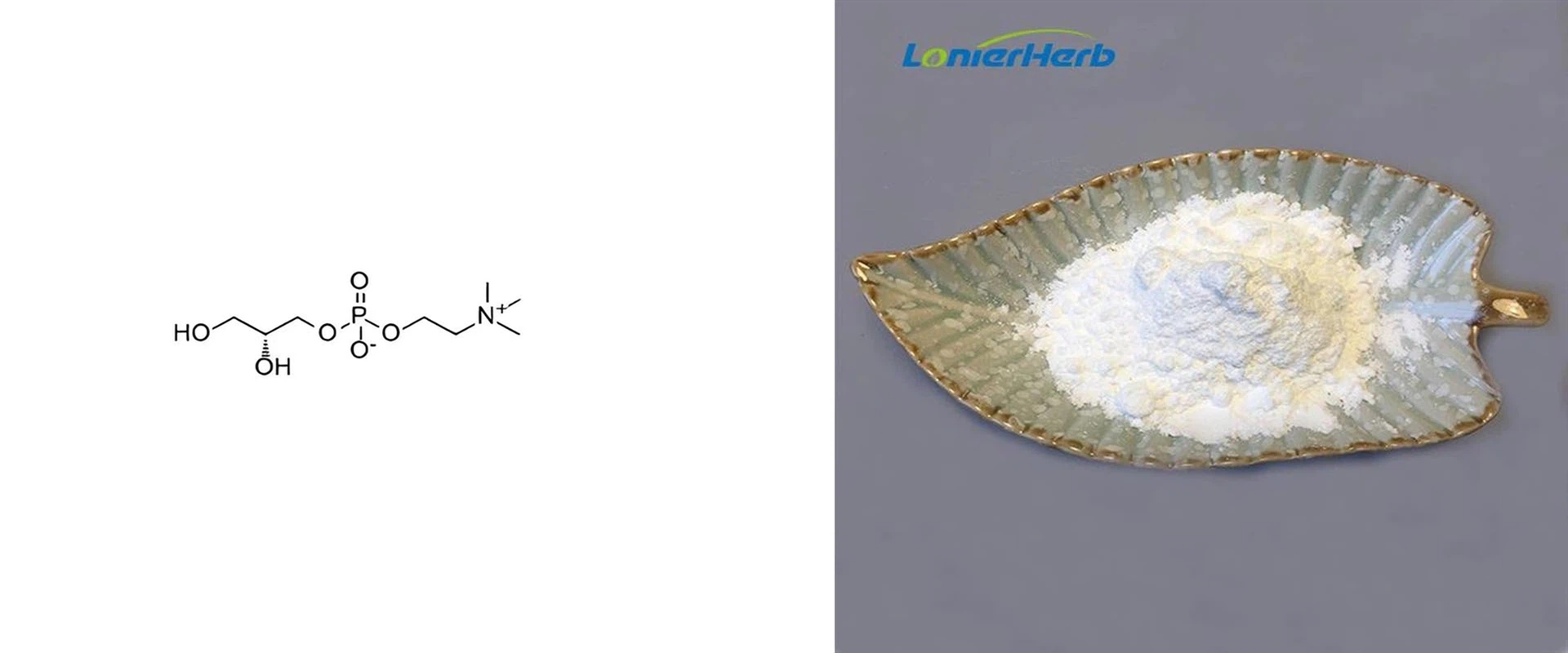
Alpha GPC Powder exhibits exceptional water solubility due to its unique molecular structure that contains multiple hydrophilic functional groups, including phosphate and choline moieties that readily interact with water molecules. The L-alpha-glycerophosphocholine structure of Alpha GPC Powder creates a highly polar compound with strong affinity for aqueous environments, allowing for complete dissolution in water at concentrations well above typical formulation requirements. The white crystalline powder appearance reflects the organized molecular structure that facilitates rapid hydration and dissolution when exposed to water or aqueous solutions. Alpha GPC Powder with CAS No.: 28319-77-9 maintains consistent solubility characteristics across different purity levels, with both 50% and 99% specifications demonstrating excellent water solubility that makes them suitable for liquid supplement formulations. Alpha GPC Powder's solubility and stability in water-based solutions are improved by the presence of extra hydroxyl groups provided by the glycerol backbone, which allows the substance to establish hydrogen bonds with water molecules. One of the most widely available water-soluble choline compounds on the market, Alpha GPC Powder can attain concentrations of more than 50g per 100ml of water at room temperature, according to studies.
Temperature Effects on Dissolution
Temperature plays a significant role in the dissolution rate and maximum solubility of Alpha GPC Powder, with higher temperatures generally increasing both the speed of dissolution and the total amount that can be dissolved in water. Alpha GPC Powder demonstrates temperature-dependent solubility behavior, with solubility increasing substantially as temperature rises from room temperature to approximately 60°C, beyond which degradation may begin to occur. The white crystalline powder structure of Alpha GPC Powder allows for predictable dissolution kinetics, with complete dissolution typically occurring within 2-3 minutes at room temperature when properly agitated. Alpha GPC Powder is better suited for industrial procedures that call for the quick creation of concentrated solutions since its maximum solubility is increased and its time required for complete dissolution is reduced at higher temperatures. Alpha GPC Powder can be hydrolyzed into choline and glycerophosphate if subjected to high temperatures for too long, hence it's important to maintain controlled temperature conditions throughout processing. Optimal dissolution of Alpha GPC Powder occurs between 20-40°C, where maximum solubility is achieved without risking thermal degradation of the active compound.
pH Stability and Ionic Interactions
The water solubility and stability of Alpha GPC Powder are significantly influenced by pH conditions, with the compound demonstrating optimal solubility and stability in slightly acidic to neutral pH ranges (pH 5.0-7.0). Alpha GPC Powder contains both acidic phosphate groups and basic amine groups, creating a zwitterionic compound that can interact with both positively and negatively charged species in solution. The CAS No.: 28319-77-9 specification ensures consistent ionic behavior of Alpha GPC Powder across different formulations and pH conditions. In highly alkaline conditions (pH > 9.0), Alpha GPC Powder may undergo hydrolysis reactions that can reduce its bioactivity and effectiveness, while in strongly acidic conditions (pH < 3.0), protonation of the amine group may affect its solubility characteristics. The buffering capacity of solutions containing Alpha GPC Powder helps maintain stable pH conditions, which is particularly important in liquid formulations where pH drift could affect product quality over time. Manufacturers working with Alpha GPC Powder should monitor and control pH conditions during processing and storage to ensure optimal solubility and prevent degradation reactions that could compromise product efficacy.
How stable is Alpha GPC Powder under different storage conditions?
Moisture Sensitivity and Hygroscopic Behavior
Alpha GPC Powder exhibits significant hygroscopic properties due to its highly polar molecular structure, readily absorbing moisture from the surrounding environment, which can affect both its physical appearance and chemical stability. The white crystalline powder form of Alpha GPC Powder can transform into a sticky, semi-solid mass when exposed to high humidity conditions (>60% relative humidity), making proper moisture control essential for maintaining product quality and handling characteristics. This moisture sensitivity of Alpha GPC Powder is attributed to the presence of multiple hydroxyl and phosphate groups that form strong hydrogen bonds with water molecules, leading to rapid water uptake from atmospheric sources. The CAS No.: 28319-77-9 compound demonstrates different levels of moisture sensitivity depending on the purity specification, with 99% Alpha GPC Powder typically showing greater hygroscopic behavior than 50% formulations due to higher concentrations of active compound. Absorbed moisture can catalyze hydrolysis reactions in Alpha GPC Powder, potentially leading to degradation into choline and glycerophosphate components, which reduces the bioavailability and effectiveness of the supplement. Proper packaging with moisture barrier materials and desiccants is essential for preventing moisture-related degradation and maintaining the stability of Alpha GPC Powder during storage and transportation.
Temperature Stability Parameters
The thermal stability of Alpha GPC Powder varies significantly with temperature, with the compound remaining stable at room temperature (15-25°C) but showing progressive degradation at elevated temperatures above 40°C. Alpha GPC Powder demonstrates optimal stability when stored at temperatures below 25°C, where minimal degradation occurs over extended periods, making refrigerated storage ideal for long-term preservation. The white crystalline powder structure of Alpha GPC Powder begins to show changes at temperatures above 50°C, with accelerated hydrolysis reactions that can break down the compound into its constituent components. Heat-induced degradation of Alpha GPC Powder follows first-order kinetics, with the rate of degradation approximately doubling for every 10°C increase in temperature above 30°C. Freeze-thaw cycling can also affect the stability of Alpha GPC Powder, particularly in solution form, where ice crystal formation may cause physical stress and potential degradation. Manufacturers and formulators should implement temperature-controlled storage systems to maintain Alpha GPC Powder quality, with continuous temperature monitoring and alarm systems to prevent exposure to potentially damaging temperature excursions.
Light Sensitivity and Photodegradation
Alpha GPC Powder shows moderate sensitivity to light exposure, particularly ultraviolet radiation, which can initiate photochemical reactions that lead to degradation of the active compound and potential formation of unwanted byproducts. The CAS No.: 28319-77-9 specification includes considerations for light protection, as prolonged exposure to direct sunlight or intense artificial lighting can cause gradual breakdown of Alpha GPC Powder over time. The white crystalline powder appearance of Alpha GPC Powder may change color slightly when exposed to UV light, developing a yellowish tint that indicates the onset of photodegradation processes. Light-induced degradation of Alpha GPC Powder typically involves oxidation reactions that can affect the choline moiety and reduce the compound's biological activity and effectiveness. Packaging Alpha GPC Powder in amber or opaque containers provides effective protection against light-induced degradation, while storage in dark environments further minimizes photodegradation risks. Quality control testing should include assessments of light stability to ensure that Alpha GPC Powder maintains its potency and purity throughout its intended shelf life, particularly for products that may be exposed to retail lighting conditions.
What are the best practices for storing Alpha GPC Powder long-term?
Optimal Environmental Conditions
Long-term storage of Alpha GPC Powder requires careful control of environmental conditions to maintain product quality, potency, and shelf life, with optimal storage occurring at temperatures between 15-20°C and relative humidity levels below 45%. The white crystalline powder should be stored in climate-controlled environments that prevent temperature fluctuations and humidity spikes that could trigger degradation reactions or physical changes in the product. Alpha GPC Powder with CAS No.: 28319-77-9 demonstrates maximum stability when stored in dry, cool conditions away from direct sunlight and heat sources such as heating vents, equipment, or windows that could create localized temperature increases. Air conditioning and dehumidification systems are essential for maintaining consistent environmental conditions, particularly in regions with high ambient humidity or significant seasonal climate variations. Storage areas for Alpha GPC Powder should include environmental monitoring systems with data logging capabilities to track temperature and humidity trends and identify potential problems before they affect product quality. The 50% and 99% purity specifications of Alpha GPC Powder may require slightly different storage conditions, with higher purity formulations typically needing more stringent environmental controls due to their greater sensitivity to degradation factors.
Container Selection and Sealing Methods
Proper container selection is crucial for long-term storage of Alpha GPC Powder, with high-density polyethylene (HDPE) or aluminum-lined containers providing excellent moisture barriers while preventing interaction between the product and packaging materials. Alpha GPC Powder should be stored in containers with tight-fitting, tamper-evident seals that prevent moisture ingress and contamination while allowing for easy access during manufacturing operations. The hygroscopic nature of Alpha GPC Powder makes vapor barrier properties of packaging materials particularly important, with moisture transmission rates below 0.1g/m²/day being optimal for preventing moisture-related degradation. Induction-sealed containers with additional gasket seals provide multiple barriers against moisture penetration, while nitrogen flushing during packaging can help displace oxygen and reduce oxidation potential. Container materials should be chemically compatible with Alpha GPC Powder to prevent leaching of additives or plasticizers that could contaminate the product or affect its stability over time. Bulk storage of Alpha GPC Powder in fiber drums or other large containers should include inner liner bags made from appropriate barrier materials, with heat-sealed closures to ensure complete moisture protection.
Quality Monitoring and Shelf Life Extension
Implementing comprehensive quality monitoring programs is essential for tracking the stability and potency of Alpha GPC Powder during long-term storage, with regular testing schedules that assess both chemical and physical properties of the stored material. Alpha GPC Powder should undergo periodic analysis for moisture content, purity levels, pH, and appearance characteristics to detect any signs of degradation or contamination before they significantly impact product quality. The CAS No.: 28319-77-9 specification requires specific analytical methods and acceptance criteria that help establish appropriate testing protocols for stability monitoring programs. Accelerated stability testing protocols can help predict long-term storage behavior of Alpha GPC Powder under various conditions, allowing manufacturers to establish appropriate expiration dates and storage recommendations. Inventory rotation systems using first-in-first-out principles help ensure that Alpha GPC Powder is used within optimal timeframes, while electronic tracking systems can monitor storage conditions and alert personnel to environmental excursions. Shelf life extension strategies for Alpha GPC Powder may include the use of antioxidants, moisture scavengers, or inert gas flushing to create more stable storage environments and extend usable product life beyond standard expiration periods.
Conclusion
Alpha GPC Powder's exceptional water solubility, hygroscopic nature, and sensitivity to environmental factors require careful attention to storage conditions and handling procedures. Understanding these characteristics enables optimal formulation design and quality preservation.
Alpha GPC Powder supplier

LonierHerb Ltd, with GMP-certified facilities and comprehensive quality control systems, provides premium Alpha GPC Powder in 50% and 99% specifications with detailed stability and storage guidance. Our commitment to quality ensures reliable products with extended shelf life and consistent performance. Contact us at info@lonierherb.com to learn how our superior Alpha GPC Powder and expert storage recommendations can optimize your product formulations.
FAQ
Q: What is the maximum water solubility of Alpha GPC Powder at room temperature?
A: Alpha GPC Powder demonstrates exceptional water solubility, with the ability to dissolve at concentrations exceeding 50g per 100ml of water at room temperature. Both 50% and 99% purity specifications show excellent solubility characteristics suitable for liquid formulations.
Q: How should Alpha GPC Powder be protected from moisture during storage?
A: Alpha GPC Powder should be stored in moisture-barrier containers with relative humidity maintained below 45%. Use HDPE or aluminum-lined containers with tight seals, and consider adding desiccants to prevent moisture absorption that could cause clumping or degradation.
Q: What temperature range is optimal for long-term Alpha GPC Powder storage?
A: The optimal storage temperature for Alpha GPC Powder is 15-20°C. Temperatures above 25°C can accelerate degradation, while the white crystalline powder remains stable for extended periods when kept cool and dry with proper environmental controls.
Q: How does pH affect Alpha GPC Powder stability in solution?
A: Alpha GPC Powder demonstrates optimal stability in slightly acidic to neutral pH ranges (5.0-7.0). Extreme pH conditions above 9.0 or below 3.0 can cause hydrolysis and reduce the compound's bioactivity and effectiveness.
Q: What are the signs that Alpha GPC Powder has degraded during storage?
A: Signs of Alpha GPC Powder degradation include color changes from white to yellowish, clumping due to moisture absorption, altered solubility characteristics, and chemical analysis showing reduced purity levels or formation of degradation products like free choline.
References
1. Ceda, G. P., Ceresini, G., Denti, L., Marzani, G., Piovani, E., Banchini, A., & Valenti, G. (1992). α-Glycerophosphocholine administration increases the GH responses to GHRH of healthy elderly subjects. Hormone and Metabolic Research, 24(3), 119-121.
2. De Jesus Moreno Moreno, M. (2003). Cognitive improvement in mild to moderate Alzheimer's dementia after treatment with the acetylcholine precursor choline alfoscerate: a multicenter, double-blind, randomized, placebo-controlled trial. Clinical Therapeutics, 25(1), 178-193.
3. Parnetti, L., Mignini, F., Tomassoni, D., Traini, E., & Amenta, F. (2007). Cholinergic precursors in the treatment of cognitive impairment of vascular origin: ineffective approaches or need for re-evaluation? Journal of the Neurological Sciences, 257(1-2), 264-269.
4. Parker, A. G., Byars, A., Purpura, M., & Jäger, R. (2015). The effects of alpha-glycerylphosphocholine, caffeine or placebo on markers of mood, cognitive function, power, speed, and agility. Journal of the International Society of Sports Nutrition, 12(1), P41.
5. Tayebati, S. K., Tomassoni, D., & Amenta, F. (2013). Treatment with choline alphoscerate in patients with Alzheimer's disease. CNS Neuroscience & Therapeutics, 19(5), 342-343.
6. Ziegenfuss, T., Landis, J., & Hofheins, J. (2008). Acute supplementation with alpha-glycerylphosphocholine augments growth hormone response to, and peak force production during, resistance exercise. Journal of the International Society of Sports Nutrition, 5(1), P1