

Food additives have become an integral part of the modern food industry, enhancing flavor, improving texture, and extending shelf life. As a food additives supplier, I've witnessed firsthand the widespread use and innovation in this field. However, it's crucial to also consider the long - term impacts of these additives on the environment.
Production - Related Environmental Impacts
The production of food additives often involves complex chemical processes. Many of these processes require large amounts of energy, usually sourced from non - renewable fossil fuels. For example, the synthesis of artificial sweeteners like aspartame demands high - temperature reactions and multiple purification steps. These energy - intensive operations contribute significantly to greenhouse gas emissions, which are a major driver of climate change.
Moreover, the raw materials used in food additive production can have a substantial environmental footprint. Some additives are derived from scarce natural resources. Take, for instance, certain natural colorants that are extracted from rare plants. Over - harvesting of these plants can lead to habitat destruction and a decline in biodiversity. In some cases, the extraction process also involves the use of large amounts of water and chemicals, which can contaminate local water sources and soil.
As a supplier, I'm aware that the sourcing of raw materials needs to be more sustainable. We should look for alternative sources that are more abundant and less environmentally damaging. For example, instead of relying on rare plants for colorants, we could explore the use of more common and fast - growing plants. Additionally, investing in research to develop more energy - efficient production methods is essential. This not only reduces our environmental impact but also cuts down on production costs in the long run.
Packaging and Waste Management
Food additives are typically packaged in various containers, such as plastic bottles, metal cans, and cardboard boxes. The production of these packaging materials consumes a significant amount of resources. Plastic, in particular, is a major concern. It is made from petroleum, a non - renewable resource, and its production releases harmful chemicals into the environment.
Once the food additives are used, the packaging often ends up in landfills. Plastic packaging can take hundreds of years to decompose, and during this time, it can release toxic substances into the soil and groundwater. Even when recycling is attempted, the process is not always efficient, and a large portion of plastic waste still goes to landfills or ends up in the ocean.
As a supplier, we have a responsibility to reduce the environmental impact of our packaging. We can start by using more sustainable packaging materials, such as biodegradable plastics or paper made from recycled materials. We can also encourage our customers to recycle the packaging properly. For example, we could provide clear instructions on how to recycle the containers and promote the use of recycling facilities in their areas.
Impact on the Food Chain
Food additives can have indirect effects on the environment through the food chain. When additives are used in food production, they can accumulate in the bodies of animals and humans. Some additives, such as certain preservatives and artificial flavors, may have long - term health effects on wildlife. For example, studies have shown that some additives can disrupt the endocrine systems of animals, leading to reproductive problems and other health issues.

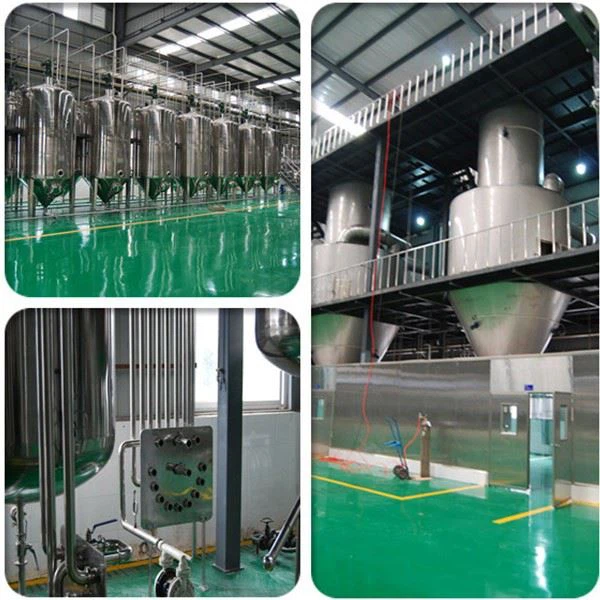
In addition, the use of food additives can also affect the balance of ecosystems. For instance, if a particular additive is used in large quantities in agricultural products, it can potentially harm beneficial insects and microorganisms in the soil. This can disrupt the natural processes of nutrient cycling and pest control, leading to a decline in soil fertility and an increase in pest populations.
As a supplier, we need to be more cautious about the types of additives we offer and their potential impacts on the food chain. We should conduct thorough research on the safety and environmental impact of each additive before bringing it to the market. We can also work with food producers to ensure that the additives are used in a responsible and sustainable manner.
Water Pollution
The production and use of food additives can contribute to water pollution. During the manufacturing process, waste water containing chemicals and residues from the production of additives is often discharged into water bodies. These chemicals can include heavy metals, solvents, and other pollutants that can be harmful to aquatic life.
For example, the production of some food additives involves the use of heavy metals as catalysts. If these metals are not properly removed from the waste water, they can accumulate in the sediment of rivers and lakes, and be taken up by aquatic organisms. This can lead to bioaccumulation and biomagnification in the food chain, posing a threat to human health as well as the health of the ecosystem.
As a food additives supplier, we need to implement strict waste water treatment measures. We should invest in advanced treatment technologies to ensure that the waste water we discharge meets environmental standards. We can also work with regulatory agencies to develop and enforce more stringent regulations on water pollution from the food additive industry.
Positive Long - Term Impacts and Solutions
Despite the potential negative impacts, food additives can also have some positive long - term effects on the environment. For example, the use of certain additives can reduce food waste. Preservatives can extend the shelf life of food products, allowing them to be stored for longer periods without spoiling. This means that less food is wasted, which in turn reduces the demand for agricultural resources and the environmental impact associated with food production.
To maximize the positive impacts and minimize the negative ones, we need to take a holistic approach. As a supplier, we can promote the use of natural and sustainable food additives. For example, Evening Primrose Oil Powder is a natural additive that can be used in food products for its health benefits. It is derived from a plant source and is generally considered to be more environmentally friendly than some artificial additives.
Another example is Best Rice Protein Powder. Rice is a widely available and sustainable crop, and using rice protein powder as a food additive can reduce the reliance on animal - based proteins, which have a higher environmental impact.
We can also promote the use of Blue Spirulina Phycocyanin, a natural colorant derived from blue spirulina. Blue spirulina is a fast - growing algae that can be cultivated in a sustainable manner, making it a more environmentally friendly alternative to some synthetic colorants.
Conclusion
The long - term impacts of food additives on the environment are complex and multifaceted. While there are significant negative impacts in terms of production, packaging, the food chain, and water pollution, there are also opportunities for positive change. As a food additives supplier, we have a crucial role to play in promoting sustainable practices.
We need to focus on developing and supplying more sustainable food additives, improving our packaging and waste management, and ensuring that our products are used in a responsible manner. By taking these steps, we can not only reduce the environmental impact of the food additive industry but also contribute to a more sustainable and healthy future for our planet.
If you are interested in learning more about our sustainable food additives or would like to discuss potential procurement opportunities, please feel free to reach out. We are committed to working with you to find the best solutions for your food production needs while minimizing the environmental impact.
References
- Smith, J. (2018). Environmental Impacts of the Food Additive Industry. Journal of Environmental Science and Technology, 25(3), 123 - 135.
- Johnson, A. (2019). Sustainable Sourcing of Raw Materials for Food Additives. Food Science Review, 18(2), 45 - 56.
- Brown, C. (2020). The Role of Food Additives in the Food Chain and Ecosystem. Environmental Biology Journal, 30(4), 201 - 212.


