Effects of Matcha Tea Extract on Athletic Performance
Introduction
As a supplier of Matcha Tea Extract, I've witnessed a growing interest in natural supplements within the athletic community. Matcha tea, a finely ground powder of specially grown and processed green tea leaves, has been used for centuries in traditional Japanese tea ceremonies. In recent years, its potential benefits for athletic performance have caught the attention of researchers and athletes alike.
The Nutritional Composition of Matcha Tea Extract
Matcha tea extract is rich in various bioactive compounds. One of the most notable is catechins, particularly epigallocatechin gallate (EGCG). EGCG is a powerful antioxidant that has been linked to numerous health benefits. It helps in reducing oxidative stress, which is a common issue during intense physical activity. Oxidative stress can lead to muscle fatigue, inflammation, and damage to cells. By neutralizing free radicals, EGCG may help athletes recover faster and perform better in subsequent workouts.
In addition to catechins, matcha tea extract also contains theanine. Theanine is an amino acid that has a unique effect on the brain. It promotes a state of relaxation and mental clarity without causing drowsiness. For athletes, this can be incredibly beneficial as it allows them to stay focused during training and competitions, while also reducing anxiety and stress.
Impact on Energy Levels
One of the key effects of matcha tea extract on athletic performance is its ability to boost energy levels. Matcha contains a moderate amount of caffeine, which is a well - known stimulant. However, the caffeine in matcha is released slowly into the bloodstream due to the presence of theanine. This slow release provides a sustained energy boost, unlike the rapid spike and subsequent crash often associated with other caffeinated beverages.
When athletes consume matcha tea extract, they can experience increased alertness, improved reaction time, and enhanced endurance. For example, in endurance sports such as long - distance running or cycling, the sustained energy from matcha can help athletes maintain their pace over longer periods. Studies have shown that caffeine can also increase the body's ability to use fat as an energy source, sparing glycogen stores in the muscles. This means that athletes can perform for longer before hitting the "wall" of fatigue.
Enhancement of Physical Endurance
Matcha tea extract may also enhance physical endurance through its effects on the body's metabolism. The EGCG in matcha has been shown to increase thermogenesis, which is the process by which the body produces heat and burns calories. This increase in thermogenesis can lead to a higher metabolic rate, allowing athletes to burn more energy during exercise.
Moreover, matcha can improve cardiovascular function. Regular consumption of matcha tea extract has been associated with lower blood pressure and improved blood lipid profiles. This means that the heart can pump blood more efficiently, delivering oxygen and nutrients to the muscles more effectively. With better oxygenation, the muscles can work harder and for longer periods, increasing overall endurance.
Muscle Recovery and Reduced Inflammation
Intense exercise often leads to muscle damage and inflammation. Matcha tea extract can play a role in reducing these negative effects. The antioxidants in matcha, especially EGCG, have anti - inflammatory properties. They can help reduce the production of pro - inflammatory cytokines, which are molecules that cause inflammation in the body.
By reducing inflammation, matcha can accelerate the muscle recovery process. Athletes can experience less muscle soreness and stiffness after workouts, allowing them to train more frequently and at higher intensities. In addition, the antioxidants in matcha can also aid in repairing damaged muscle cells, promoting overall muscle health.
Mental Focus and Performance
As mentioned earlier, theanine in matcha tea extract can enhance mental focus. In sports, mental focus is just as important as physical strength. Whether it's a basketball player making a crucial shot or a golfer lining up a putt, the ability to concentrate can make a significant difference in performance.
The combination of caffeine and theanine in matcha creates a unique synergy. Caffeine stimulates the central nervous system, while theanine promotes relaxation and calmness. This results in a state of focused alertness, where athletes can maintain their concentration for extended periods without getting overly stressed or anxious.
Complementary Supplements
In addition to matcha tea extract, there are other herbal extracts that can complement its effects on athletic performance. Cordycepin Powder is known for its potential to enhance oxygen utilization and energy production in the body. It can improve aerobic capacity, which is crucial for endurance sports.
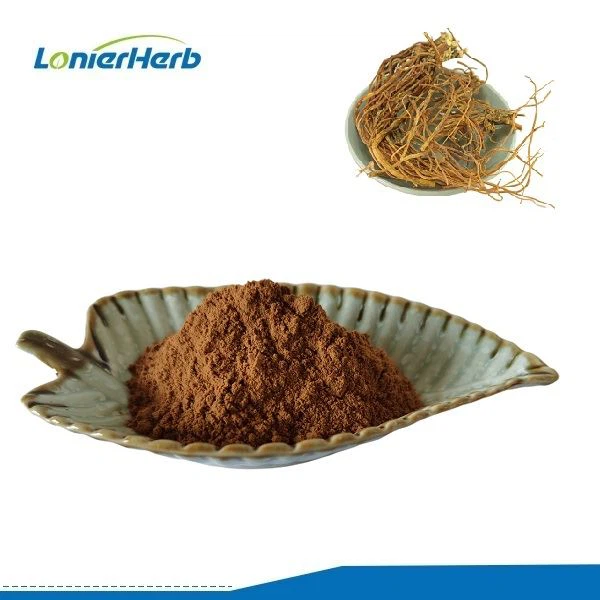

Gentiana Extract Gentiopicroside has been reported to have anti - fatigue properties. It may help in reducing the feeling of tiredness during exercise and improving recovery.
Polydatin Powder is a bioactive compound found in certain plants. It has antioxidant and anti - inflammatory properties, which can support overall health and performance in athletes.
Conclusion
In conclusion, matcha tea extract offers a range of benefits for athletic performance. From boosting energy levels and enhancing endurance to promoting muscle recovery and mental focus, it is a natural and effective supplement for athletes. As a supplier of high - quality Matcha Tea Extract, I am committed to providing products that can help athletes reach their full potential.
If you are an athlete, coach, or someone involved in the sports industry interested in incorporating Matcha Tea Extract or other related herbal extracts into your routine or product line, I encourage you to reach out for a discussion. We can explore the best solutions based on your specific needs and goals.
References
- Grant, S. M., DellaValle, D. M., & Greenway, F. L. (2009). Effects of green tea catechins and caffeine on energy metabolism in overweight and obese men: a pilot study. Journal of the American College of Nutrition, 28(6), 689 - 693.
- Kim, S. H., & Jeong, E. J. (2013). Theanine, a green tea component, reduces oxidative stress and activation of nuclear factor - kappaB in high - fructose - diet - fed rats. Bioscience, Biotechnology, and Biochemistry, 77(5), 993 - 997.
- Spriet, L. L. (2002). Caffeine ingestion: its effects on metabolism and exercise performance. Sports Medicine, 32(2), 67 - 84.
- Yang, C. S., & Wang, X. (2016). Tea and health: studies in humans. Molecular Nutrition & Food Research, 60(1), 6 - 18.