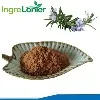
Sage, scientifically known as Salvia officinalis, has been revered for centuries for its culinary and medicinal properties. As a leading supplier of sage extract powder, I am delighted to take you through the intricate process of how this valuable product is made. In this blog post, we will explore the journey from the sage plant to the fine powder that reaches our customers.
Sourcing of High - Quality Sage
The first crucial step in making sage extract powder is sourcing the best sage plants. We understand that the quality of the final product depends heavily on the raw materials. Therefore, we partner with experienced farmers who cultivate sage in optimal environments. These areas often have well - drained soil, plenty of sunlight, and appropriate climate conditions.
Sage plants are typically harvested at their peak. This usually occurs during the flowering stage when the levels of bioactive compounds are highest. Our expert farmers carefully hand - pick the sage leaves to ensure minimal damage to the plant and to maintain the integrity of the leaves. The freshly harvested sage is then transported to our state - of - the - art facilities as quickly as possible to preserve its freshness and the bioactive components.
Cleaning and Drying
Once the sage leaves arrive at our facilities, they undergo a thorough cleaning process. This is essential to remove any dirt, debris, or insects that may be present on the leaves. We use gentle washing techniques that do not cause damage to the sage leaves while still effectively eliminating impurities.
After cleaning, the sage leaves are dried. Drying is a critical step as it reduces the moisture content of the leaves, which helps in preventing microbial growth and extends the shelf - life of the sage. We use low - temperature drying methods, such as air - drying or vacuum - drying. These methods preserve the heat - sensitive bioactive compounds in the sage, such as rosmarinic acid, flavonoids, and essential oils. The drying process typically takes several days, and the leaves are constantly monitored to ensure they reach the desired moisture content.
Grinding
Once the sage leaves are completely dry, they are ready for grinding. Grinding is used to break down the dried sage leaves into smaller particles. This increases the surface area of the sage, which is beneficial for the subsequent extraction process. We utilize high - quality grinding machines that are capable of producing a consistent particle size. The ground sage is then sieved to remove any large particles or impurities, ensuring a fine and homogeneous product.
Extraction
The extraction process is the heart of making sage extract powder. There are several extraction methods available, but we primarily use solvent extraction. In this method, a suitable solvent, such as ethanol or water, is used to dissolve the bioactive compounds from the ground sage.
The ground sage is placed in an extraction vessel, and the solvent is added. The mixture is then heated and stirred for a specific period of time to facilitate the transfer of bioactive compounds from the sage to the solvent. After the extraction is complete, the mixture is filtered to separate the solid residue from the liquid extract.


The choice of solvent depends on the specific bioactive compounds we aim to extract and the intended use of the sage extract powder. For example, ethanol is a good solvent for extracting essential oils and lipophilic compounds, while water is preferred for extracting water - soluble compounds such as polyphenols.
Concentration
After extraction, the liquid extract contains a large amount of solvent. To obtain a more concentrated extract, the solvent needs to be removed. This is typically done through evaporation under reduced pressure. By using a vacuum evaporator, we can lower the boiling point of the solvent, which allows for evaporation at a lower temperature. This is important because it minimizes the loss of heat - sensitive bioactive compounds.
As the solvent evaporates, the extract becomes more concentrated. The concentration process continues until the extract reaches the desired consistency, which is usually a thick paste.
Spray Drying
The final step in making sage extract powder is spray drying. The concentrated sage extract paste is fed into a spray dryer, where it is atomized into tiny droplets. These droplets are then exposed to hot air, which causes the moisture in the droplets to evaporate rapidly.
The result is a fine powder with a high content of bioactive compounds. The spray - drying process is carefully controlled to ensure that the powder has a uniform particle size, good flowability, and high solubility.
Quality Control
Throughout the entire process of making sage extract powder, we implement strict quality control measures. We conduct regular tests on the raw materials, intermediate products, and the final powder. These tests include assays for the content of bioactive compounds, microbiological tests to ensure the absence of harmful bacteria and fungi, and tests for heavy metals and other contaminants.
We also adhere to international quality standards and regulations to ensure that our sage extract powder is safe, effective, and of the highest quality.
Comparison with Other Herbal Extract Powders
In addition to sage extract powder, there are many other herbal extract powders available in the market. For example, Moringa Seed Powder is rich in nutrients and antioxidants, Motherwort Extract Powder has potential health benefits for women, and Polyporus Extract is known for its traditional medicinal uses.
Each herbal extract powder has its own unique properties and applications. However, sage extract powder is particularly valued for its antimicrobial, anti - inflammatory, and cognitive - enhancing properties.
Conclusion and Call to Action
In conclusion, making high - quality sage extract powder is a complex and meticulous process that requires expertise, precision, and strict quality control. At our company, we are committed to producing sage extract powder that meets the highest standards of quality and purity.
If you are interested in purchasing sage extract powder for your business needs, whether it is for the food, nutraceutical, or cosmetic industries, we are here to provide you with the best products and services. We invite you to contact us to discuss your specific requirements. Our team of experts is ready to assist you in finding the right sage extract powder solution for your application.
References
- Bradley, P. R. (Ed.). (1992). British Herbal Compendium: A Reference Guide to Herbal Medicinal Products. British Herbal Medicine Association.
- Duke, J. A. (1985). Handbook of Medicinal Herbs. CRC Press.
- Willard, M. (2017). The Botany of Desire: A Plant's - Eye View of the World. Random House.